


We use cookies to give you a better browsing experience. Know how we use your data.

AI Agents

Build AI agents that can carry work forward

Give AI agents the context, tools, and oversight to complete defined tasks across your business systems.

AI Agents & Agentic AI Solutions

Develop AI agents that execute multi-step tasks, use business tools, and operate with defined human oversight.

Build agents around a defined job, with the context, tool access, and decision boundaries needed to complete it.

Custom AI Agent Development

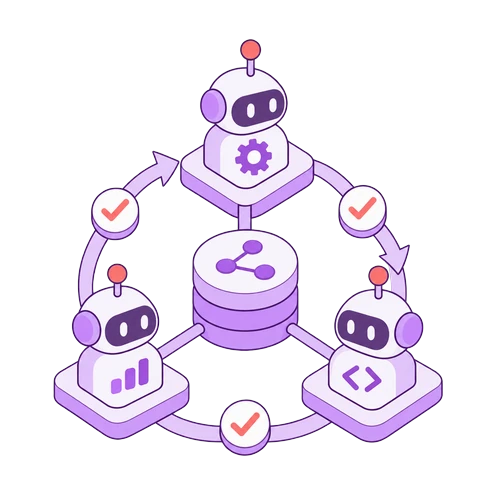
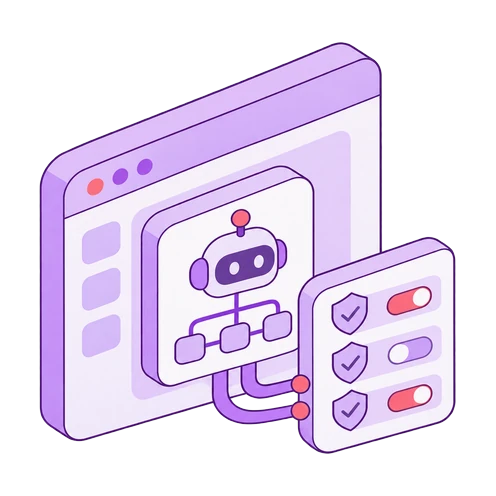
Coordinate specialized agents with explicit responsibilities, shared information, and checks at handoff points.

Multi-Agent Systems

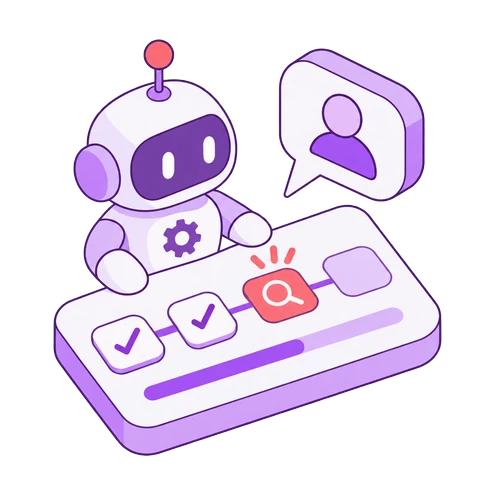
Design agents that progress through a scoped workflow, track task state, and request assistance when a step needs review.

Autonomous Workflow Agents

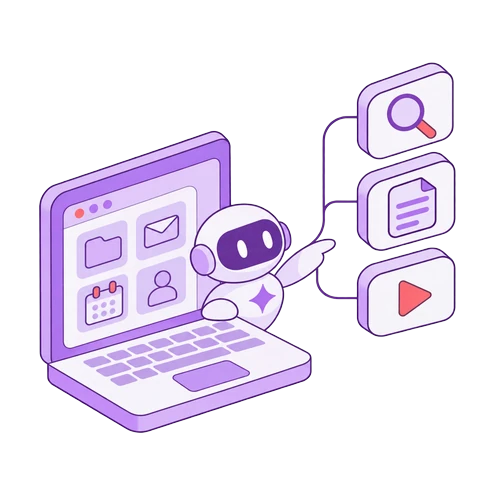
Add task assistance to employee tools so people can retrieve information, prepare work, and take the next action.

AI Copilots

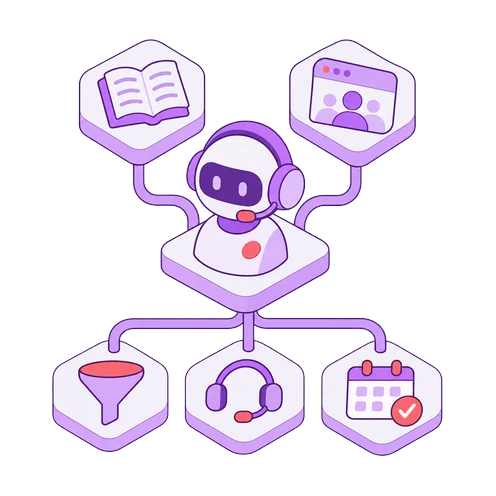
Connect agents to approved knowledge and customer systems for activities such as qualification, support triage, and follow-up preparation.

Sales & Support Agents

Manage tool execution, task state, retries, and handoffs so agent behavior can be inspected and evaluated.

AI Agent Orchestration

Embed agent workflows into existing applications, with the permissions and operational controls appropriate to each action.

Agentic AI Integration

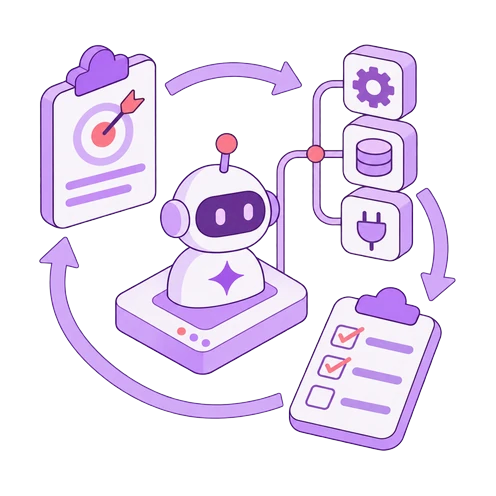
Give agents a defined job and the tools to do it

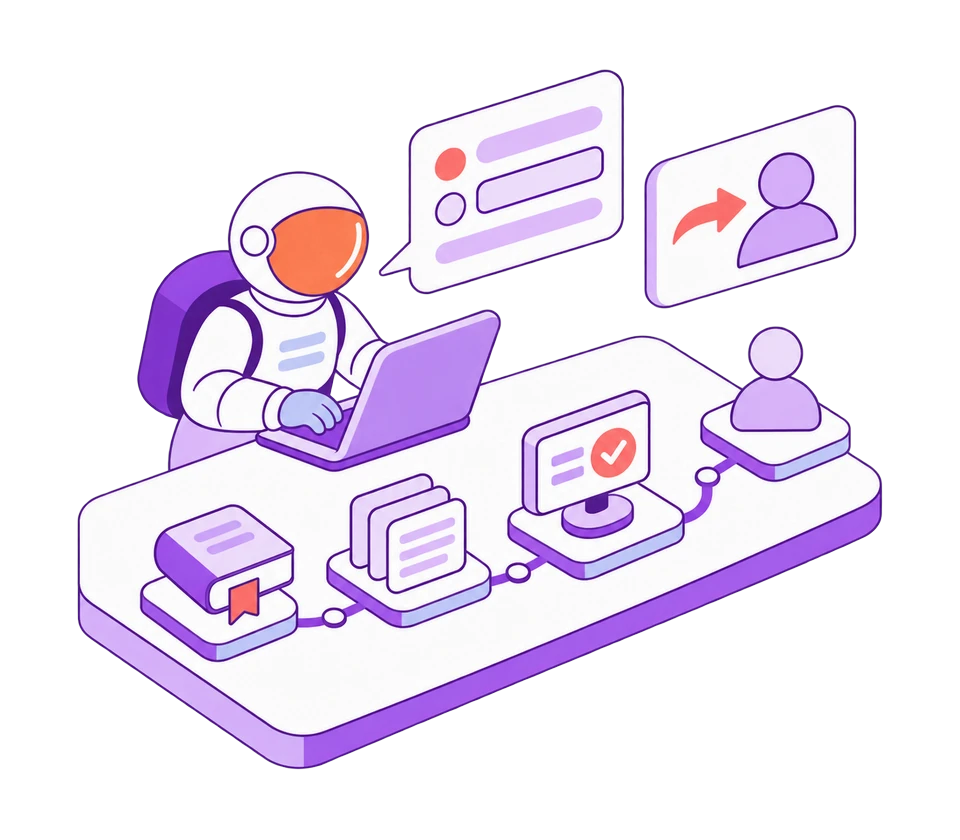
Help teams complete internal requests

An employee request may require finding a policy, gathering information, and creating a task in another system. An agent can coordinate those steps within a defined scope. We design how it asks for missing details, checks available knowledge, and hands the request to a person when the task needs judgment or additional access.
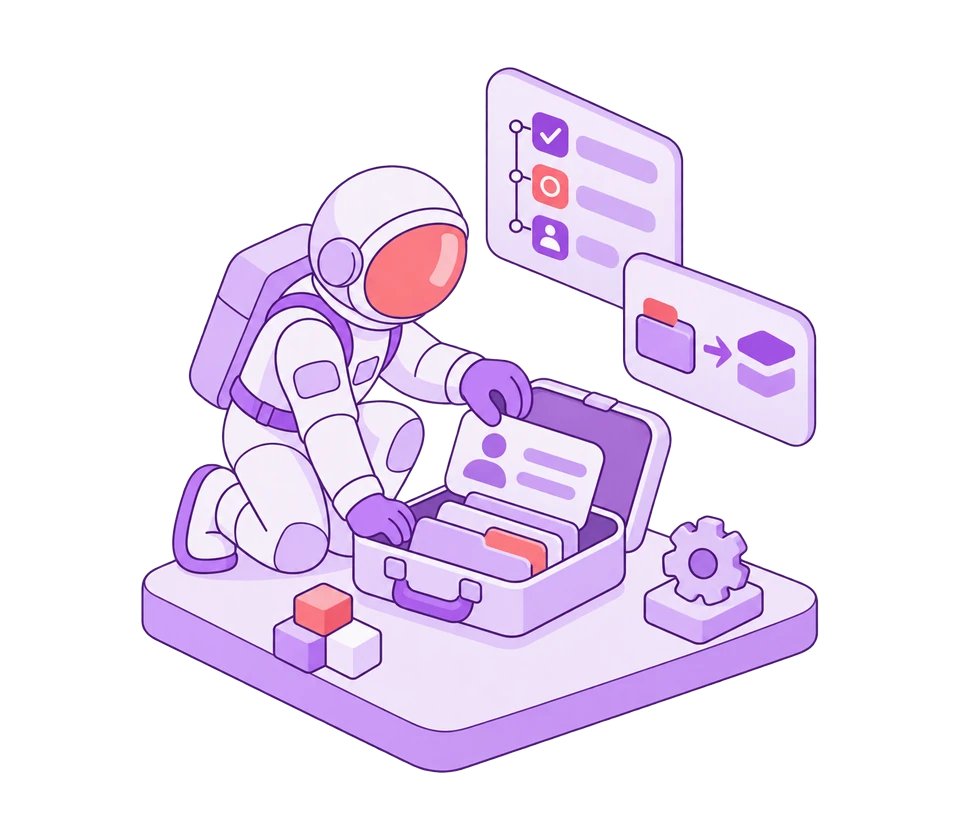
Carry customer context into the next action

A useful support or sales interaction often needs more than a response. An agent can collect relevant details, retrieve approved information, and prepare a next action in connected tools. The workflow establishes which actions are permitted, where confirmation is needed, and what information should accompany a human handoff.

Coordinate specialist tasks

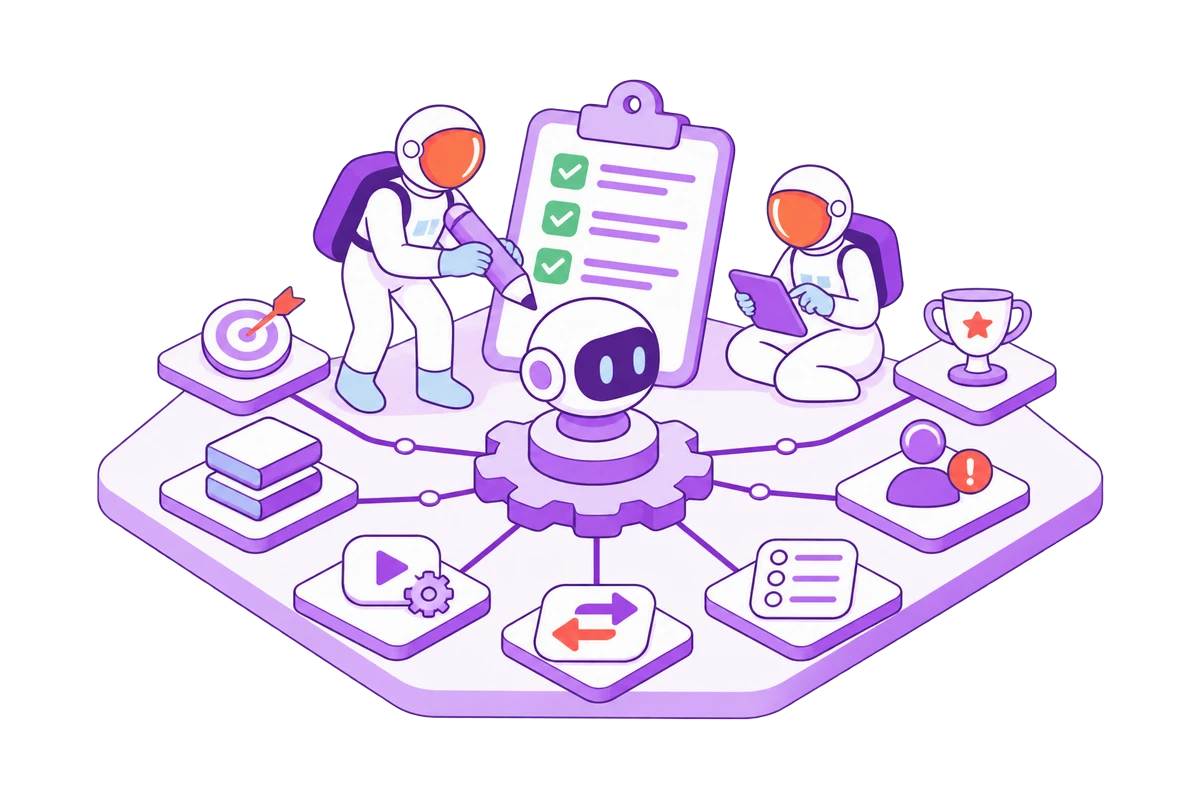
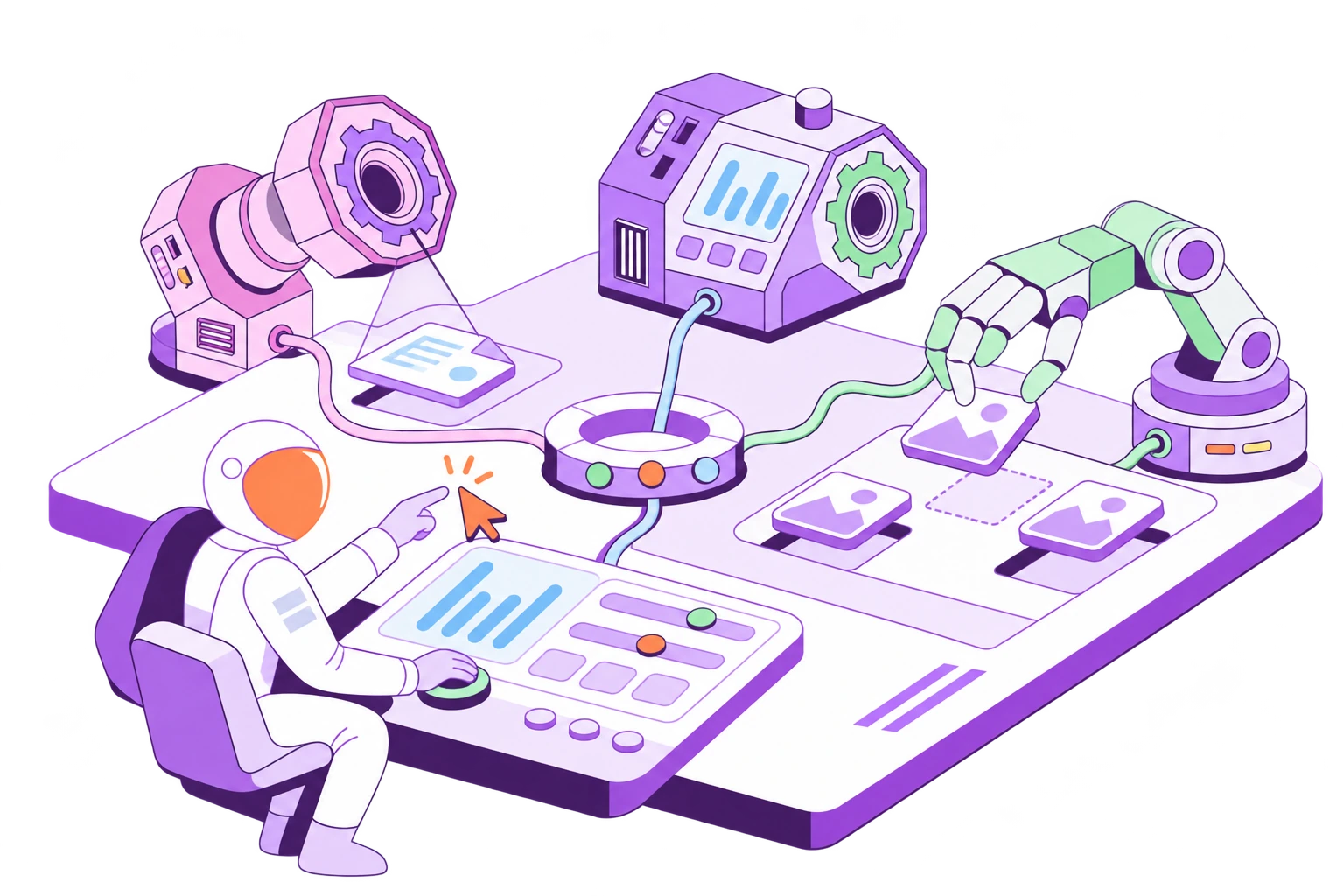
A larger workflow may benefit from separate responsibilities for research, extraction, preparation, and review. We assess those boundaries and the information that must pass between them. The resulting orchestration makes task ownership and completion conditions visible, allowing teams to inspect how the overall result was produced and where a step needs attention.

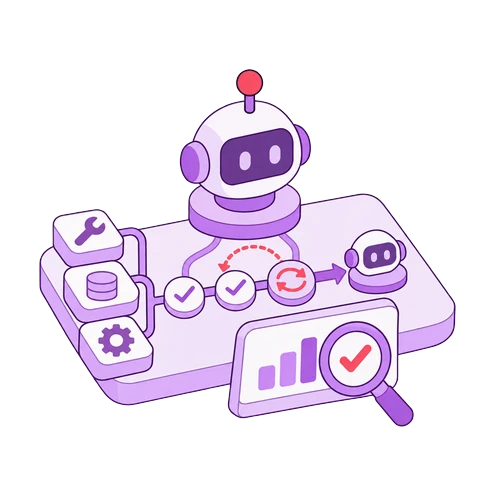
Context, tools, and oversight working together

Task context

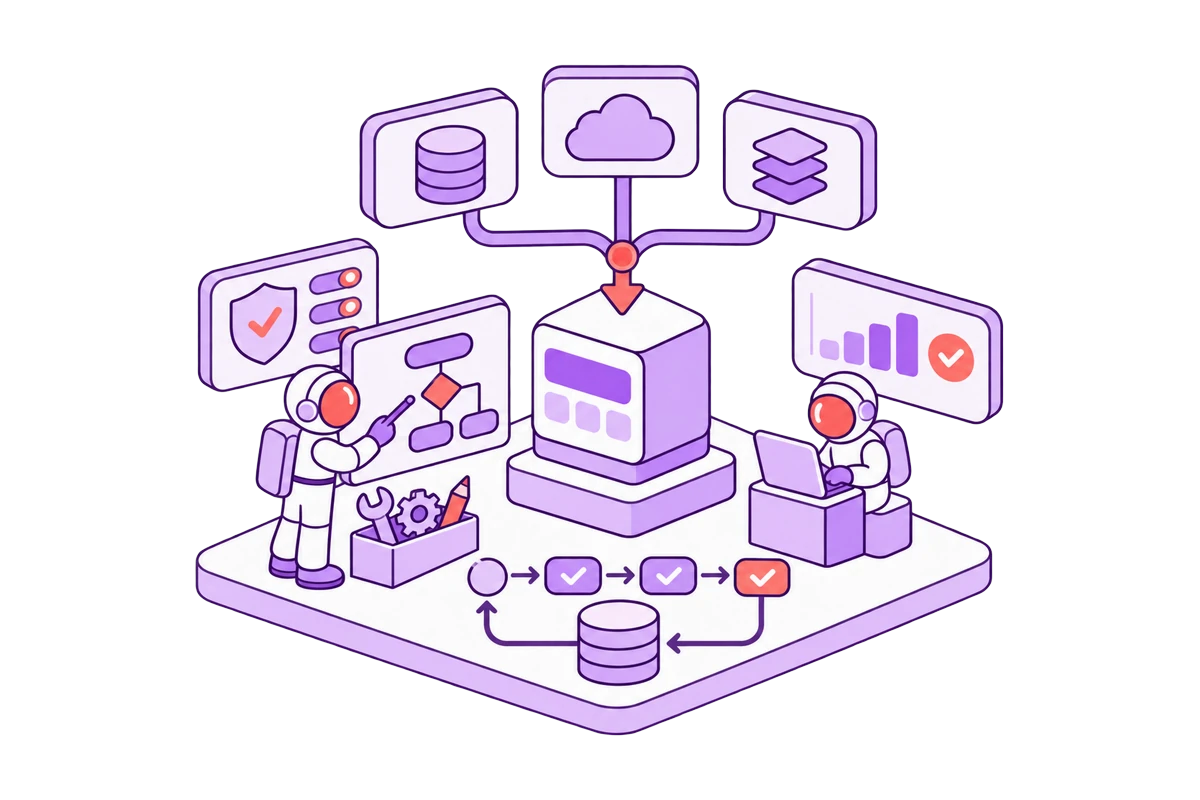
Instructions, conversation history, retrieved knowledge, and current workflow state provide the information the agent needs for the next step.

Tool execution

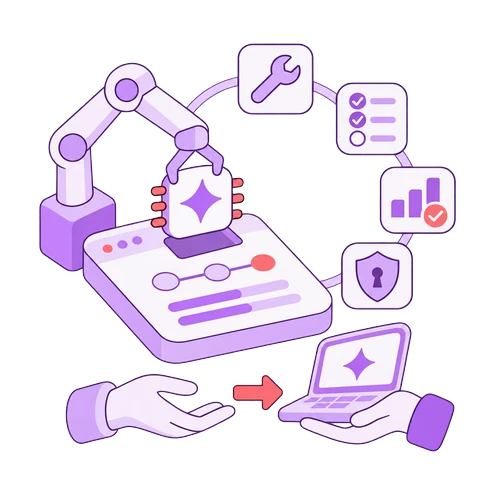
Business actions run through defined interfaces with input validation, permission checks, and results that the application can inspect.

Evaluation and oversight

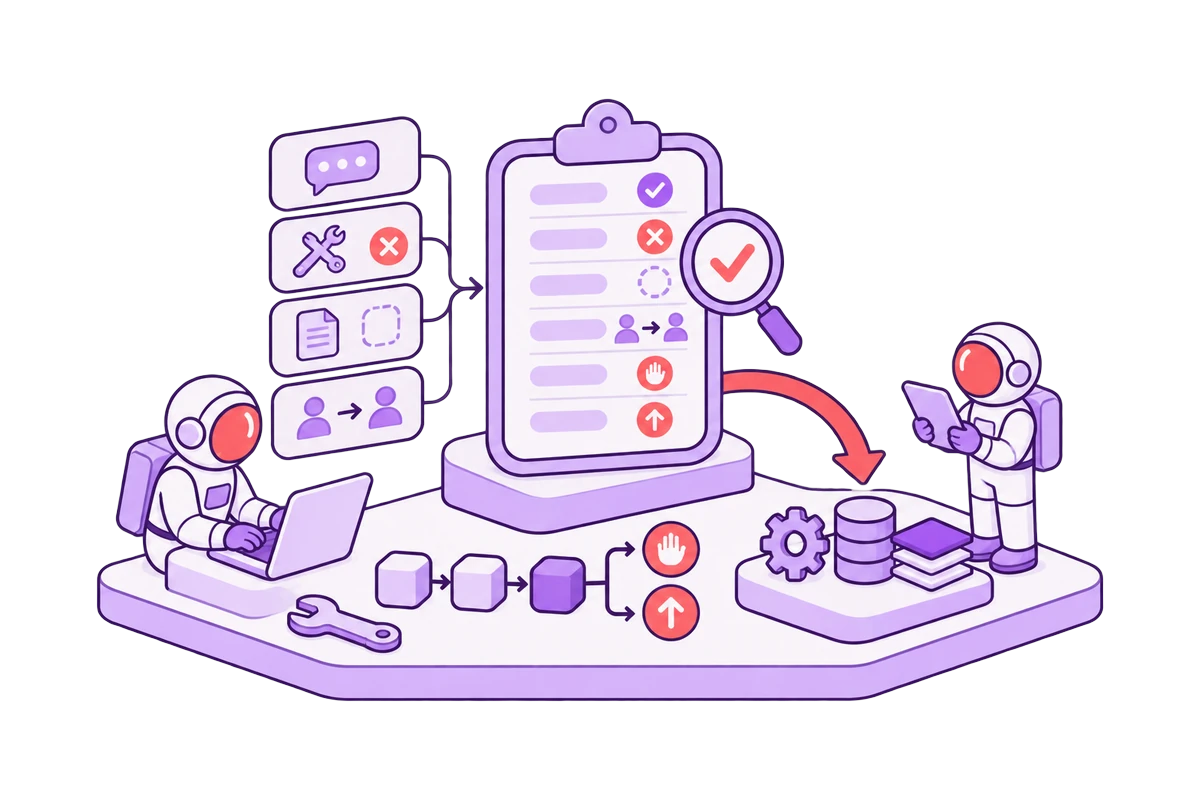
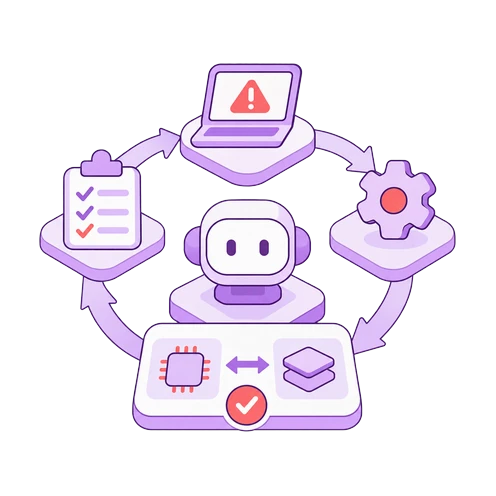
Task outcomes, tool activity, and review decisions support evaluation and help operators understand when the agent needs intervention.

What you take forward

  • An agent specification describing the task, knowledge sources, tools, action boundaries, and completion conditions.
  • Tool integrations with defined inputs, outputs, permissions, and handling for failed or incomplete operations.
  • An evaluation set covering representative tasks, missing context, incorrect tool choices, and human handoffs.
  • A deployment and operating guide for reviewing task outcomes, changing instructions, and investigating agent behavior.

Our approach

From your first question to everyday use

Develop AI agents that execute multi-step tasks, use business tools, and operate with defined human oversight.

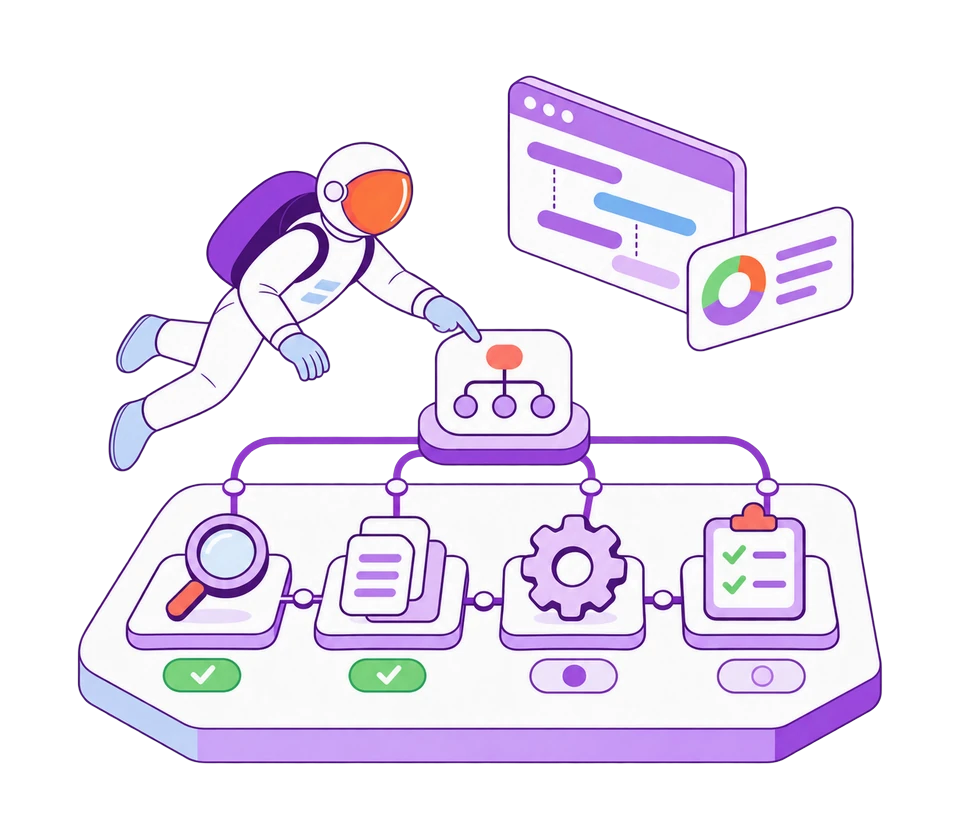
Define the agent’s job

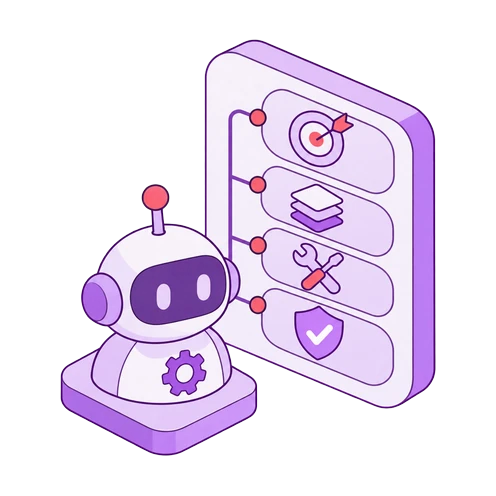
Specify the task, available knowledge, permitted actions, and cases that require human involvement.

We describe a successful outcome in terms the business can verify. The task specification also covers requests the agent should redirect and the information needed before it can act.

Design tools and context

Connect the relevant systems and establish how the agent receives reliable information.

Tools are designed around the job and the permissions available. The integration specifies how the agent receives results and how task state is retained across multiple steps.

Evaluate real tasks

Test representative requests, tool failures, incomplete information, and handoff behavior.

Evaluation uses examples that reflect the full workflow, including cases where the agent should stop or escalate. Findings guide changes to tools, context, and the scope of autonomy.

Release with oversight

Roll out to a scoped audience and monitor task completion, corrections, and operating costs.

The first release has a defined audience and operating owner. Task results and review feedback help identify where behavior needs improvement before the workflow is expanded.

Define the first job for your AI agent

Engagement models that fit your next step

Agent discovery and prototype

Define an agent’s job, connect the minimum tools needed, and evaluate representative tasks. This provides evidence about feasibility and the integration work required for a broader implementation.

Production agent delivery

Build the agent workflow into an application or business process. The scope includes tool connections, task state, evaluation, permissions, and the operational handover needed for daily use.

Agent improvement partnership

Support the deployed workflow through evaluation, incident review, and planned changes. New tools or responsibilities can be assessed against the agent’s existing behavior and operating requirements before release.

Solutions we would not have thought of

Simublade took our problems and converted them into solutions that we wouldn’t have thought of.

Senior Manager - Parrotforce
Parrotforce

Got questions?

We've got answers.

Start with a defined task whose inputs, tools, and completion conditions can be described. We assess how much judgment and system access the task requires.

An agent can be integrated with permitted tools and APIs. The scope should specify available actions, access permissions, confirmation points, and audit requirements.

Evaluation should cover task completion, correct tool use, handling of missing information, recovery from failures, and the quality of human handoffs.

Separate agents can help when a workflow has distinct responsibilities and clear handoffs. The decision depends on whether those boundaries improve the task and whether coordination can be evaluated reliably.

Yes. The initial workflow can require review at agreed points. Operating evidence can then inform whether particular actions are suitable for a different level of oversight.

Rocket

Ready to turn
your vision into
reality?

The journey starts here. We're excited
to meet you.