


We use cookies to give you a better browsing experience. Know how we use your data.

AI Integration

Connect AI with the systems your business runs on

Bring AI capabilities into existing applications, data flows, and business processes with an integration plan that fits your architecture.

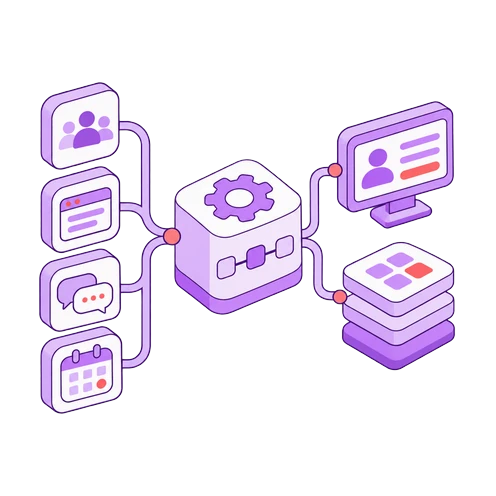
Enterprise AI Integration

Introduce AI into existing applications and systems without unnecessary platform replacement.

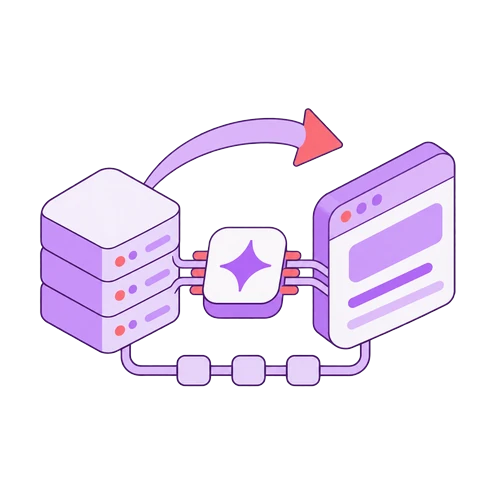
Connect model and AI service APIs to application logic, with defined inputs, response handling, and operating limits.

AI API Integration

Introduce AI-supported activities into CRM and ERP workflows using the interfaces and permissions available in each system.

CRM & ERP AI Integration

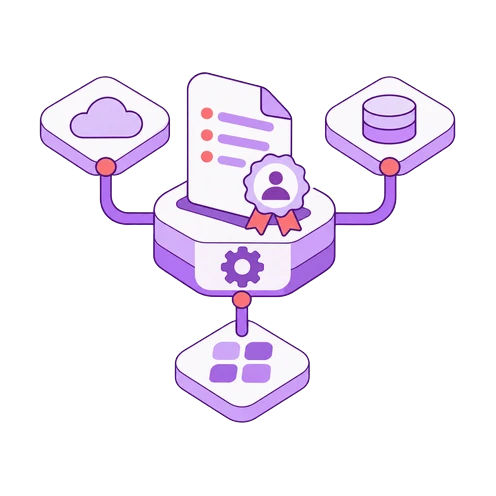
Coordinate AI capabilities across business applications through clear data contracts and ownership of each integration.

Enterprise Application Integration

Add AI to established systems through an approach that accounts for existing interfaces, dependencies, and migration constraints.

Legacy System AI Modernization

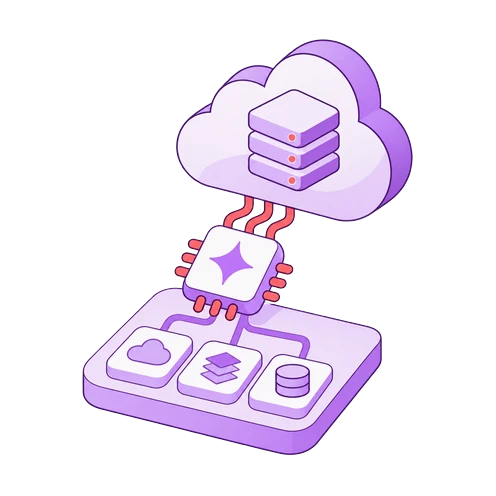
Fit AI workloads into the cloud infrastructure, deployment practices, and data access model used by your organization.

AI Cloud Integration

Connect appropriate models and providers to a common application workflow, with evaluation and operational requirements guiding the choice.

Third-Party Model Integration

Bring AI into the workflows you already run

Add intelligence to an established application

An existing product may benefit from summarization, classification, or a task assistant while retaining its current user journey. We assess the application boundaries, data access, and interfaces available, then define the AI interaction and its surrounding logic. Delivery is planned around how the new capability will behave within the wider system.
Connect knowledge across business tools

Teams often need information from several applications to resolve a request or prepare work. Integration can bring the relevant context into an AI-assisted workflow with the right access rules. We define how information is retrieved, how each system remains responsible for its own records, and how the result is returned to the user.

Introduce AI in stages across the enterprise

A new capability can begin with one workflow before expanding to other teams or applications. We map shared dependencies and define reusable integration contracts, then test the first release in its operational setting. The rollout provides evidence about quality, reliability, and ownership that can inform the scope of subsequent integrations.

Make the boundaries between systems explicit

Application interfaces

Existing APIs, events, and service boundaries determine where the AI workflow can receive information and perform the operations in scope.

Data and access

The design follows source ownership and user permissions through retrieval, processing, and the return of results to connected applications.

Reliability and operations

Defined failure handling, monitoring, and release responsibilities help teams operate the complete integration across its participating systems.

What you take forward

  • An integration design covering systems, data contracts, permissions, dependencies, and the responsibilities of each participating service.
  • Working connections between the AI capability and the agreed applications, APIs, or cloud infrastructure.
  • Integration test scenarios for normal operations, incomplete responses, unavailable dependencies, and recovery from failed steps.
  • A technical handover covering deployment, monitoring, operational ownership, and the process for reviewing integration changes.

Our approach

From your first question to everyday use

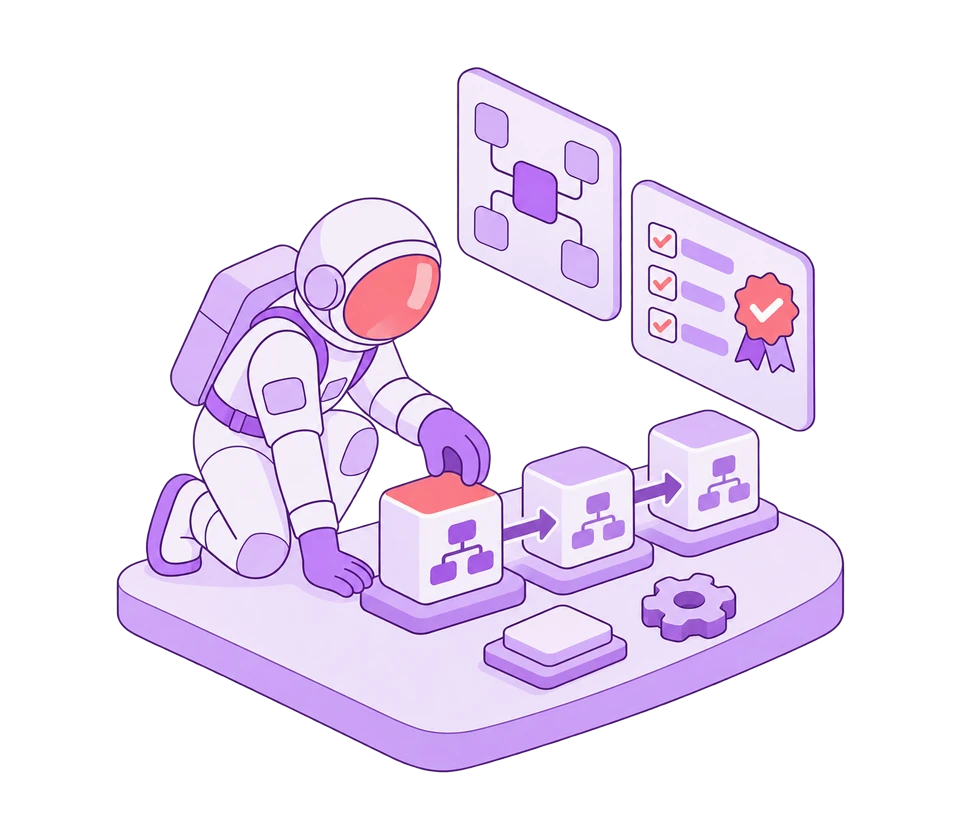
Introduce AI into existing applications and systems without unnecessary platform replacement.

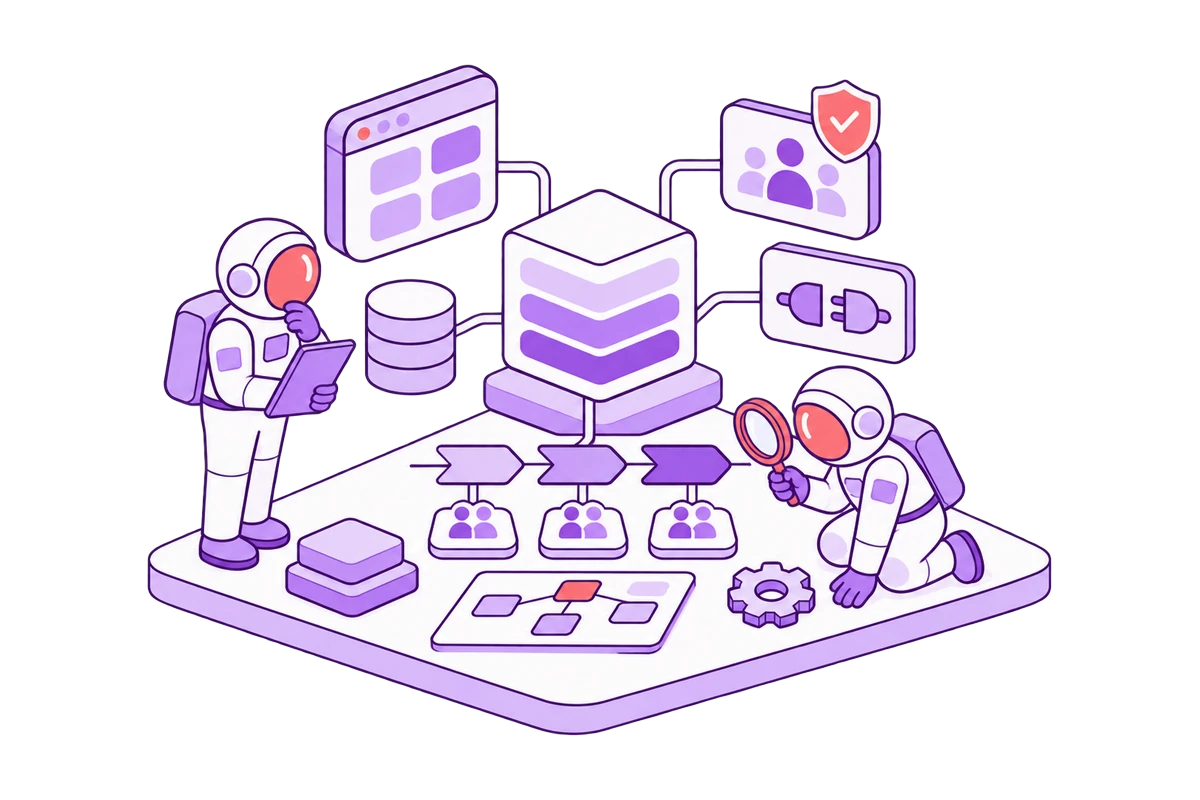
Assess the architecture

Map applications, data sources, access permissions, and the interfaces available for integration.

Architecture review follows the intended workflow across systems and teams. We identify available interfaces and the dependencies that could affect feasibility, delivery effort, or the sequence of rollout.

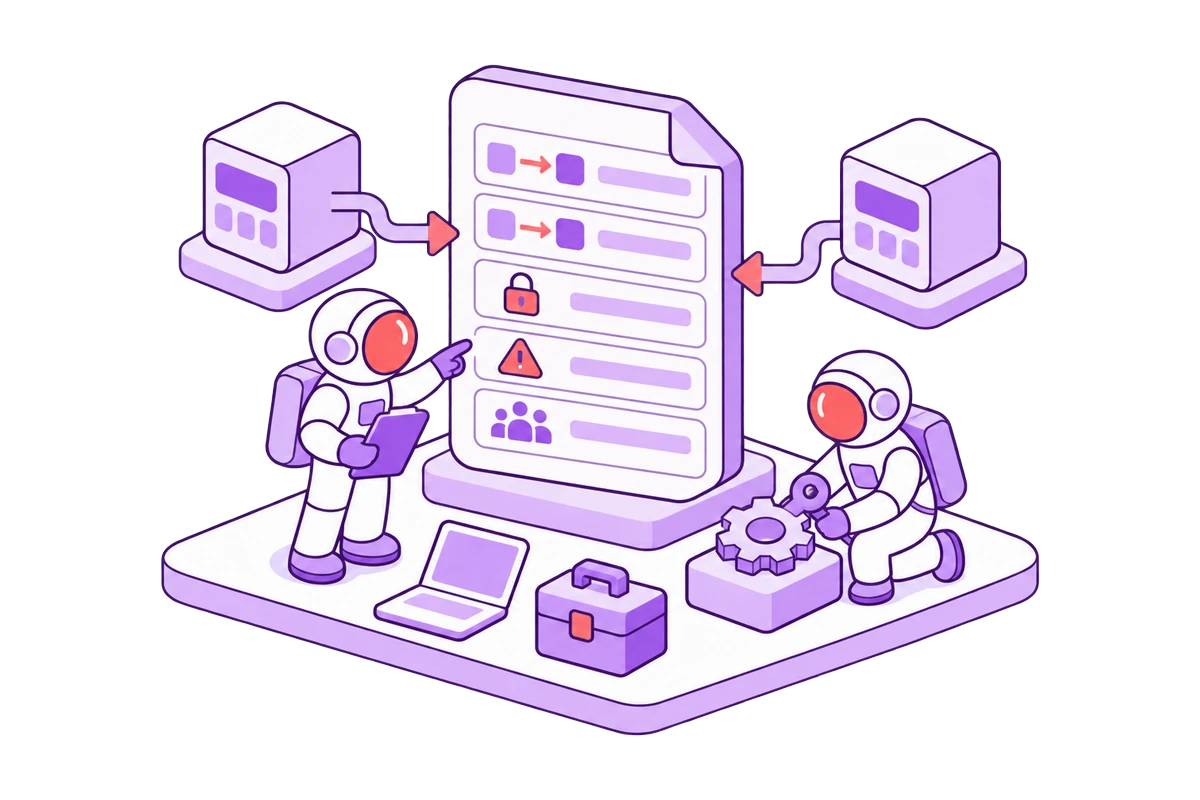
Define the contracts

Specify inputs, outputs, authentication, failure handling, and responsibilities across systems.

The integration specification describes what each service accepts and returns. It also records access requirements and how the workflow should react when an operation cannot be completed.

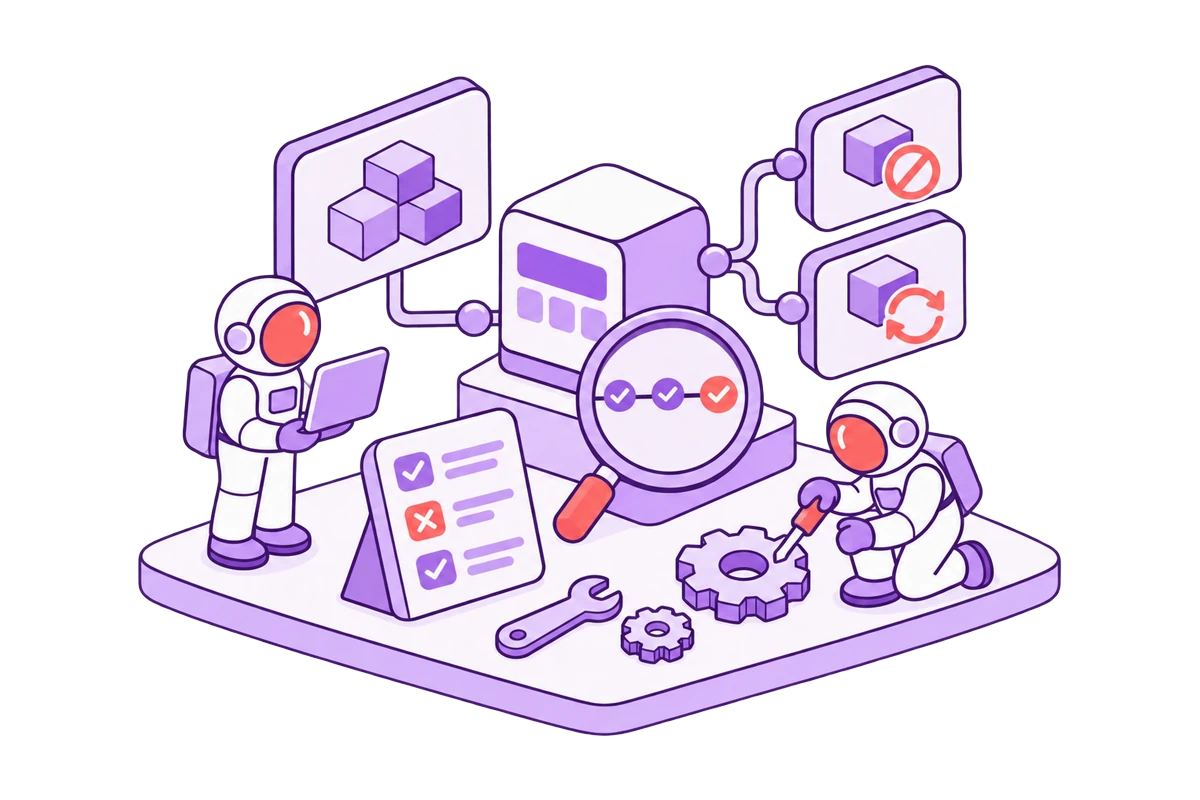
Build and verify

Test the integration with representative data, unavailable dependencies, and recovery scenarios.

Verification traces representative requests through the full integration. Test cases include failure and recovery behavior so the team can understand how the system behaves beyond the successful path.

Release in stages

Deploy to a scoped workflow and monitor correctness, reliability, latency, and cost.

The initial rollout is scoped to an agreed application or process. Operational feedback can then inform refinements to the contracts and the design of later integrations.

Find the right integration point for your AI initiative

Engagement models that fit your next step

Architecture and integration assessment

Review the systems, workflow, and AI capability to establish a delivery approach. The assessment identifies available interfaces, access requirements, and dependencies that should be addressed before implementation.

Integration delivery

Implement and verify the agreed application connections. Work includes data contracts, permissions, failure handling, deployment, and the technical handover needed by the teams responsible for the connected systems.

Enterprise rollout partnership

Support a staged integration roadmap across applications or departments. Shared interfaces and operating practices are refined as additional workflows are introduced and the organization learns from deployed usage.

Solutions we would not have thought of

Simublade took our problems and converted them into solutions that we wouldn’t have thought of.

Senior Manager - Parrotforce
Parrotforce

Got questions?

We've got answers.

The assessment focuses on how AI can fit into existing applications and workflows. The available interfaces and constraints determine what can be integrated.

Important inputs include API access, data ownership, permissions, system dependencies, expected volumes, and how incomplete or failed operations should be handled.

Provider evaluation can be included in the integration work using examples from the intended workflow and criteria for quality, latency, cost, and deployment requirements.

Yes. A scoped workflow can establish the integration approach and operating responsibilities before the capability is introduced to additional teams or systems.

The design identifies the owner of each interface and data source, then agrees contracts, access, release responsibilities, and escalation paths across the participating teams.

Rocket

Ready to turn
your vision into
reality?

The journey starts here. We're excited
to meet you.