


We use cookies to give you a better browsing experience. Know how we use your data.

Managed AI

Keep improving the AI systems your teams rely on

Support deployed AI applications through ongoing maintenance, monitoring, evaluation, and scoped improvements.

Managed AI Services

Provide ongoing technical support, optimization, operations, and enhancement of deployed AI systems.

Coordinate day-to-day operational activities for the agreed AI workflows, with clear ownership and reporting.

Managed AI Operations

Maintain the application, dependencies, and integrations that support the deployed AI experience.

AI Application Maintenance

Review model settings, instructions, retrieved context, and evaluation results to improve behavior over time.

Model & Prompt Optimization

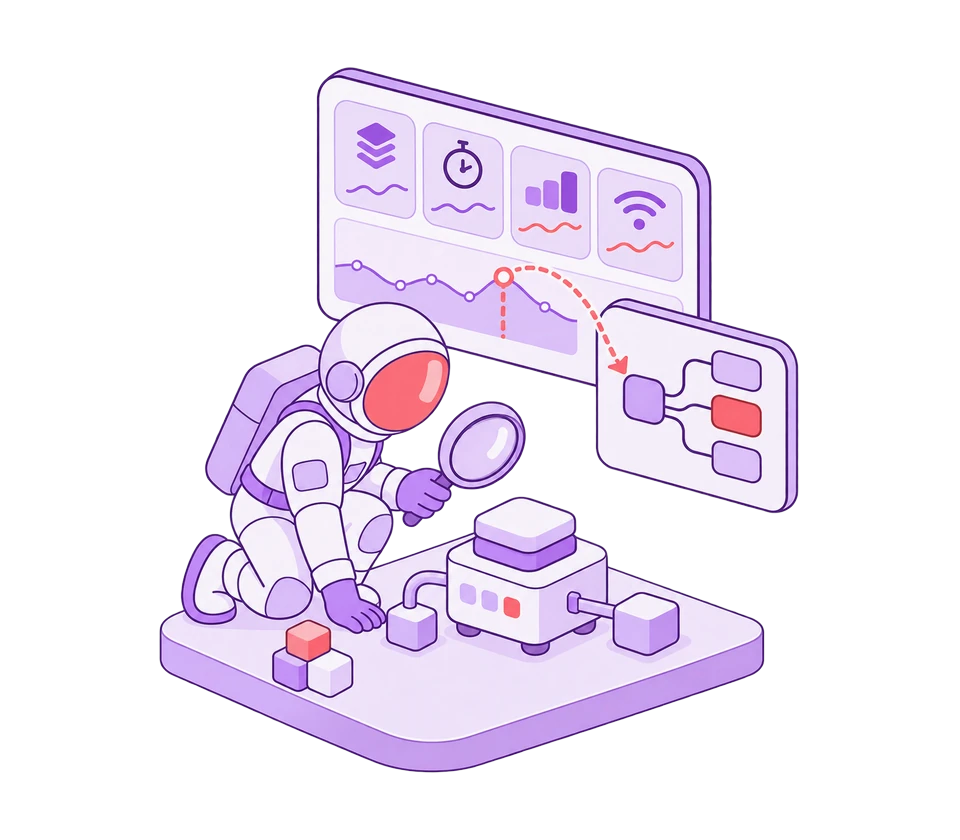
Monitor agreed measures of system health, quality, usage, and cost, then investigate changes that need attention.

AI System Monitoring

Prioritize improvements using user feedback, evaluation findings, and operational evidence from the deployed system.

Continuous AI Improvement

Define support responsibilities, escalation routes, and maintenance activities around the agreed service scope.

AI Support & Maintenance

Keep the deployed experience useful as things change

Maintain an AI application in daily use

Dependencies, integrations, knowledge sources, and user expectations change after launch. A managed engagement establishes the responsibilities and maintenance work needed for the agreed application. The team can investigate issues, assess proposed changes, and maintain the operating information required to support the people who depend on the workflow each day.
Improve responses and task outcomes

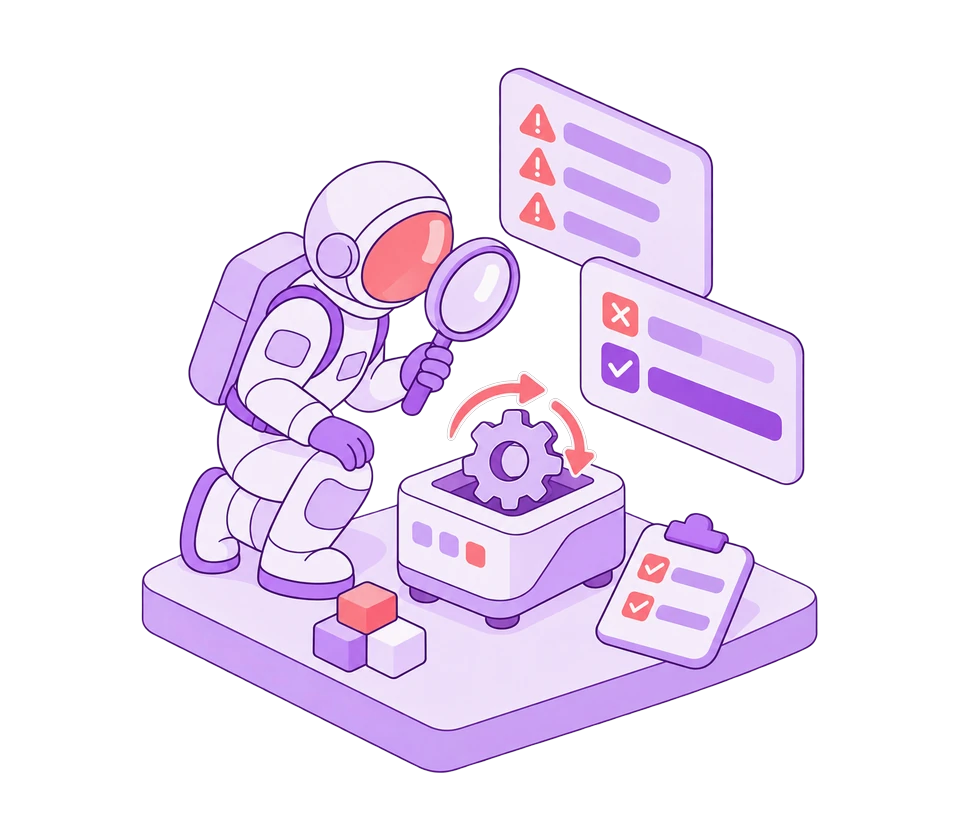
Feedback and evaluation can reveal recurring problems in retrieved information, instructions, or application behavior. We investigate those patterns and propose scoped improvements. Changes are checked against representative tasks before release, allowing the team to understand whether the update improves the intended outcome and what should continue to be monitored afterward.

Support a technical handover

Taking over an existing application starts with understanding how it was built and operated. We review source access, dependencies, deployment, documentation, and known issues, then agree the work needed for a support handover. That assessment provides a practical basis for the ongoing scope, reporting, and escalation arrangements.

A clear operating scope for ongoing support

Application maintenance

The scope identifies the application components, integrations, dependencies, and knowledge sources included in ongoing maintenance and review.

Quality and monitoring

Agreed evaluation examples and operating measures make changes in system health and task outcomes visible to the responsible team.

Change and escalation

A defined process connects issue investigation, release decisions, escalation, and planned improvements with the people who own the application.

What you take forward

  • An application baseline covering architecture, dependencies, access, operating history, and the work needed for support readiness.
  • An agreed service scope defining maintenance activities, monitoring, responsibilities, reporting, and escalation arrangements.
  • Evaluation and change records showing how proposed updates are assessed and introduced to the deployed workflow.
  • A prioritized improvement backlog informed by user feedback, system behavior, maintenance needs, and the agreed business objectives.

Our approach

From your first question to everyday use

Provide ongoing technical support, optimization, operations, and enhancement of deployed AI systems.

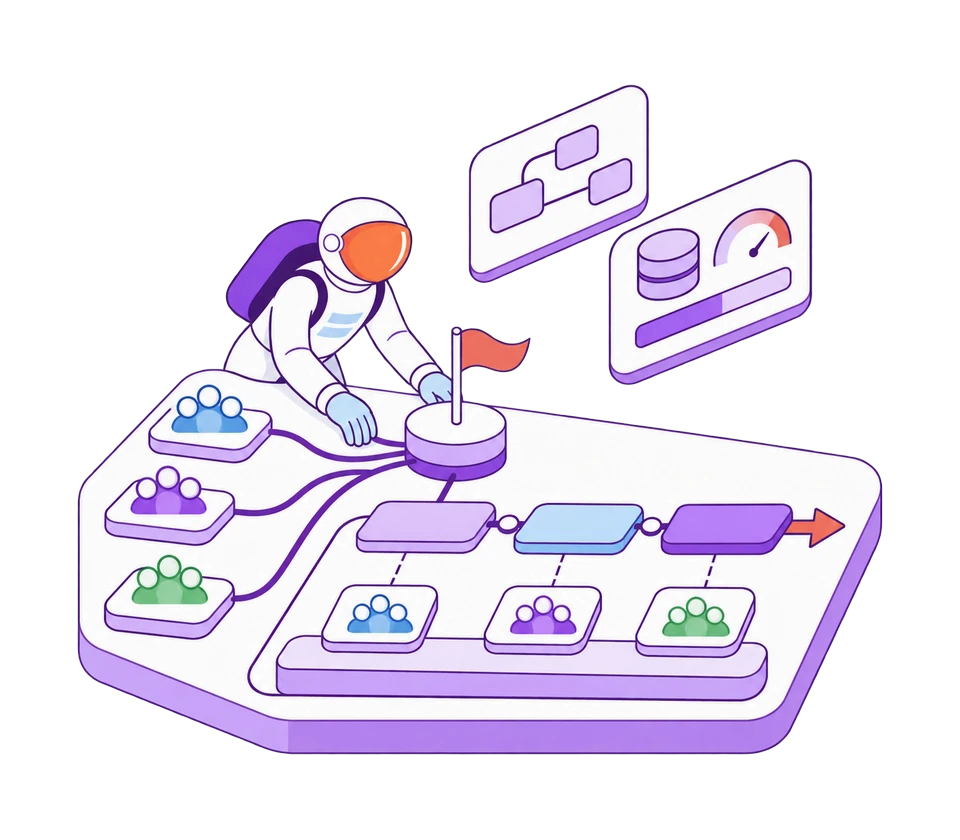
Establish the baseline

Review the existing application, dependencies, documentation, and operational history.

The baseline establishes what the team is taking responsibility for and where information is missing. Findings identify any preparation needed before the ongoing service can operate as agreed.

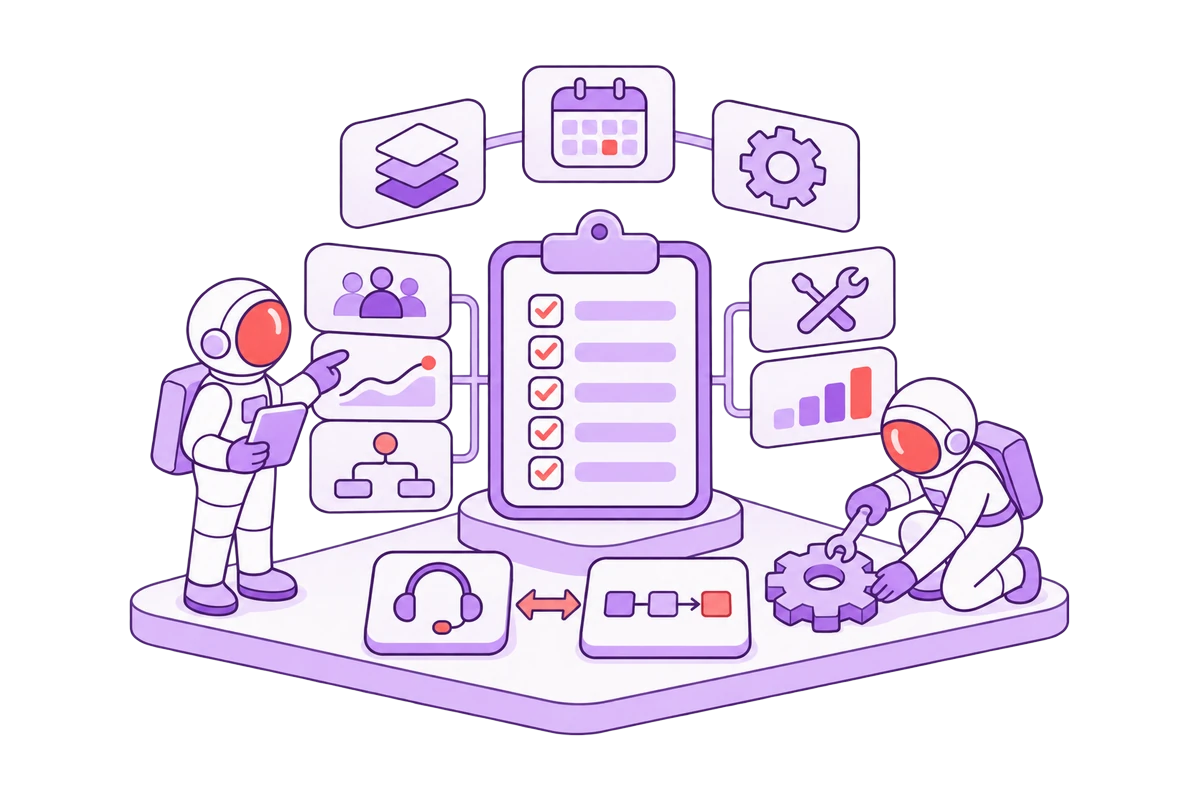
Agree the operating scope

Define responsibilities, monitoring, escalation, maintenance activities, and reporting.

The scope records the application boundaries, review cadence, and expected operating activities. Support arrangements and escalation paths are established around the actual needs of the deployed workflow.

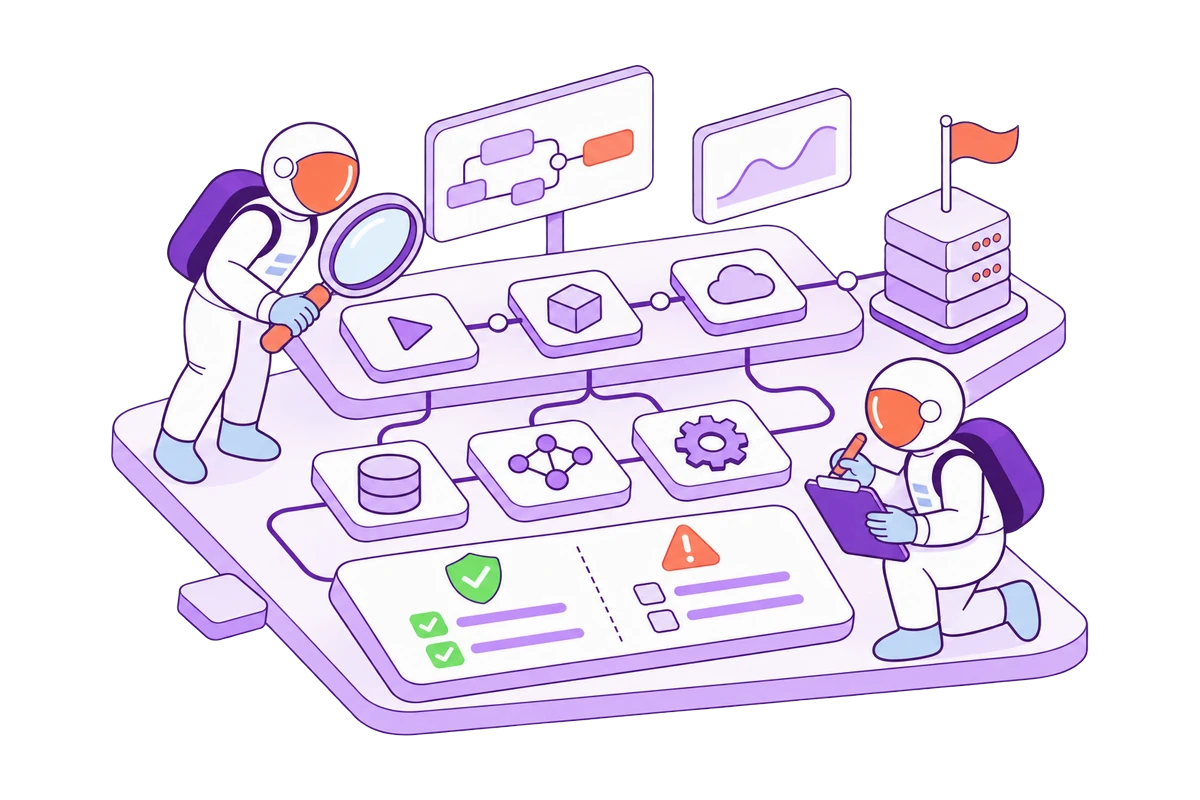
Maintain and evaluate

Address agreed maintenance work and assess changes before releasing them.

Maintenance and improvements follow a review process suited to the application. Changes to instructions, models, dependencies, or integrations are assessed using representative tasks and operating requirements.

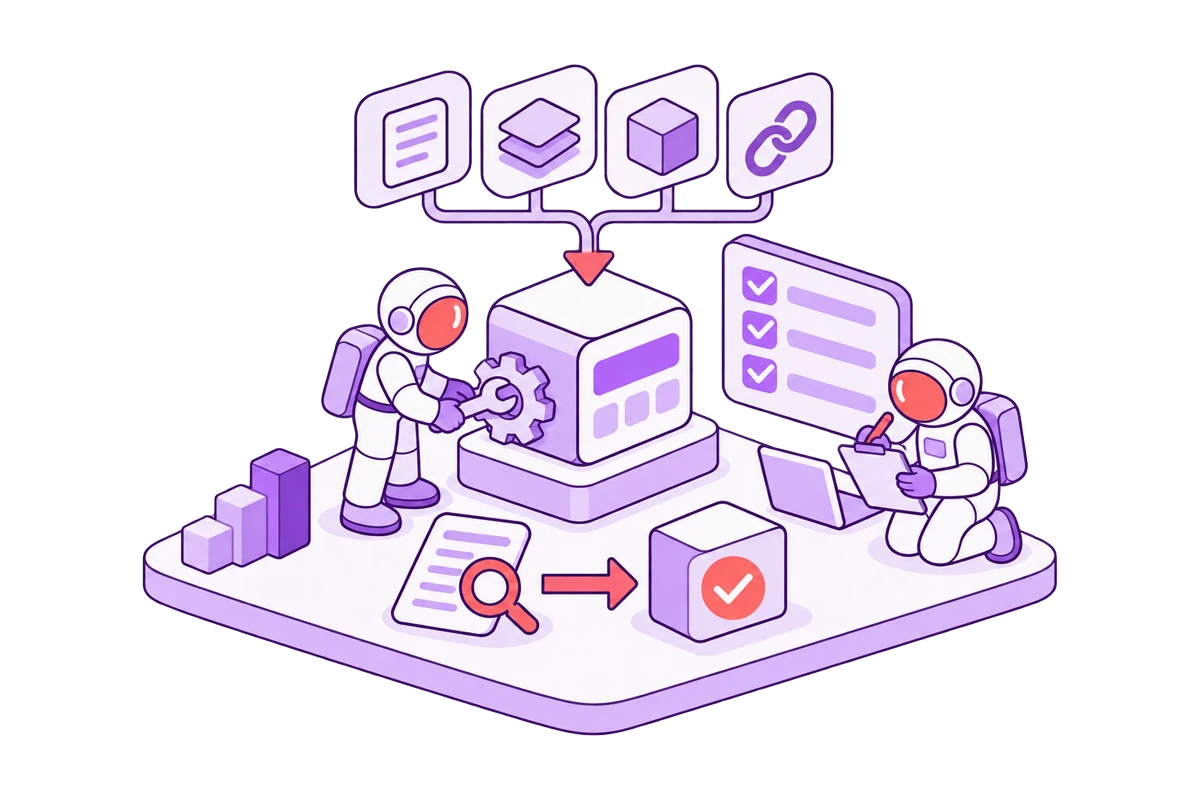
Plan improvements

Use feedback and operating evidence to prioritize the next set of enhancements.

The backlog connects proposed work to recurring issues, user feedback, and business priorities. The team reviews what to address next and what evidence will indicate whether the change helped.

Plan the next stage of support for your AI application

Engagement models that fit your next step

Support readiness assessment

Review an existing AI application before defining an ongoing arrangement. The assessment establishes access, documentation, dependencies, known issues, and the preparation needed for a practical handover.

Managed application support

Operate within an agreed scope of monitoring, maintenance, evaluation, and issue handling. Responsibilities, reporting, and escalation arrangements are defined for the specific application and the teams relying on it.

Continuous improvement partnership

Combine ongoing application support with a planned improvement backlog. User feedback and operating evidence guide changes to prompts, knowledge, integrations, and product behavior through an agreed release process.

Solutions we would not have thought of

Simublade took our problems and converted them into solutions that we wouldn’t have thought of.

Senior Manager - Parrotforce
Parrotforce

Got questions?

We've got answers.

The scope is agreed for the application and can include monitoring, maintenance, evaluation, support, reporting, and planned improvements.

We can begin with a technical and operational assessment to establish access, dependencies, documentation, and the work needed for a support handover.

These are agreed as part of the engagement, alongside escalation routes, responsibilities, and the types of incidents and changes covered.

The scope can be reviewed as the application changes. New integrations, workflows, or operating requirements should be assessed so responsibilities and support arrangements remain clear.

Priorities can be agreed using incident patterns, user feedback, evaluation findings, maintenance needs, and the business outcomes the application is expected to support.

Rocket

Ready to turn
your vision into
reality?

The journey starts here. We're excited
to meet you.