



We use cookies to give you a better browsing experience. Know how we use your data.

AI Governance

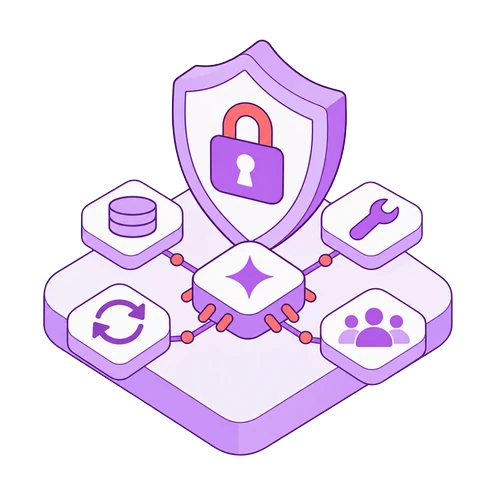
Keep AI performance, cost, and control in view

Establish the evaluation, monitoring, and operational practices needed to manage AI applications as they move into daily use.

AI Operations, Security & Governance

Monitor deployed AI applications, control costs, and help organizations manage operational risks.

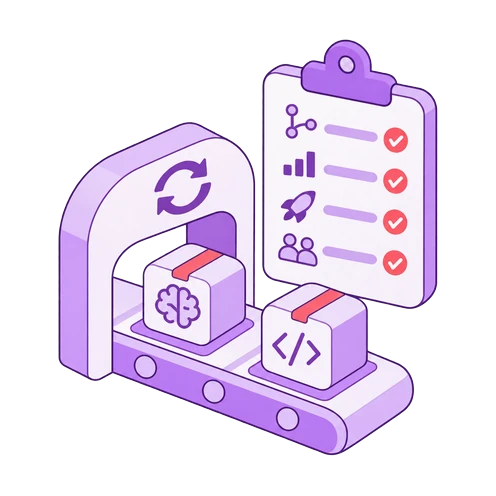
Organize model and application delivery around versioning, evaluation, release practices, and operational ownership.

LLMOps & MLOps

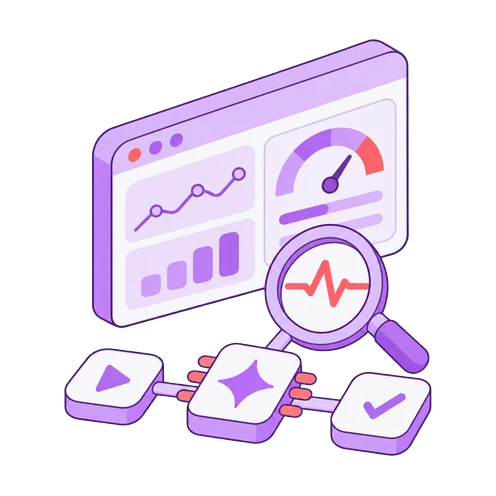
Track the behavior and health of deployed AI workflows using measures suited to the task and the available feedback.

AI Model Monitoring

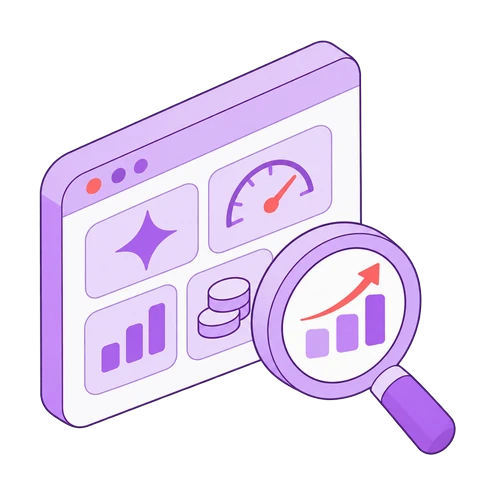
Investigate response quality, latency, throughput, and cost to identify practical improvements.

AI Performance Optimization

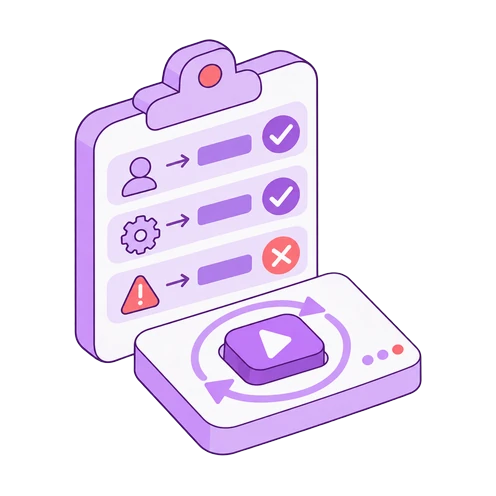
Create evaluation examples and test workflows that reflect real user tasks, expected outputs, and known failure cases.

AI Evaluation & Testing

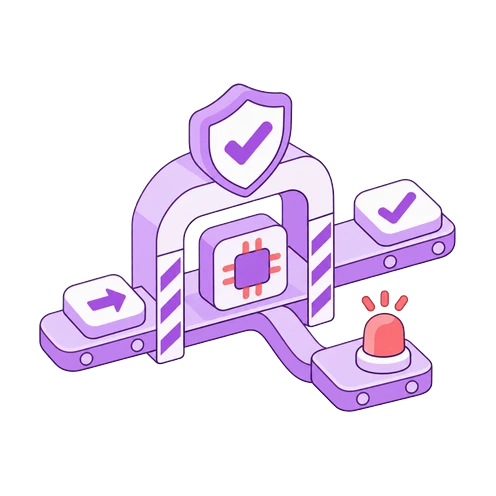
Define input, output, and action checks that support the application’s permitted behavior and escalation paths.

AI Guardrails

Work through intended use, impact, oversight, and responsibilities with the teams accountable for the AI application.

Responsible AI Consulting

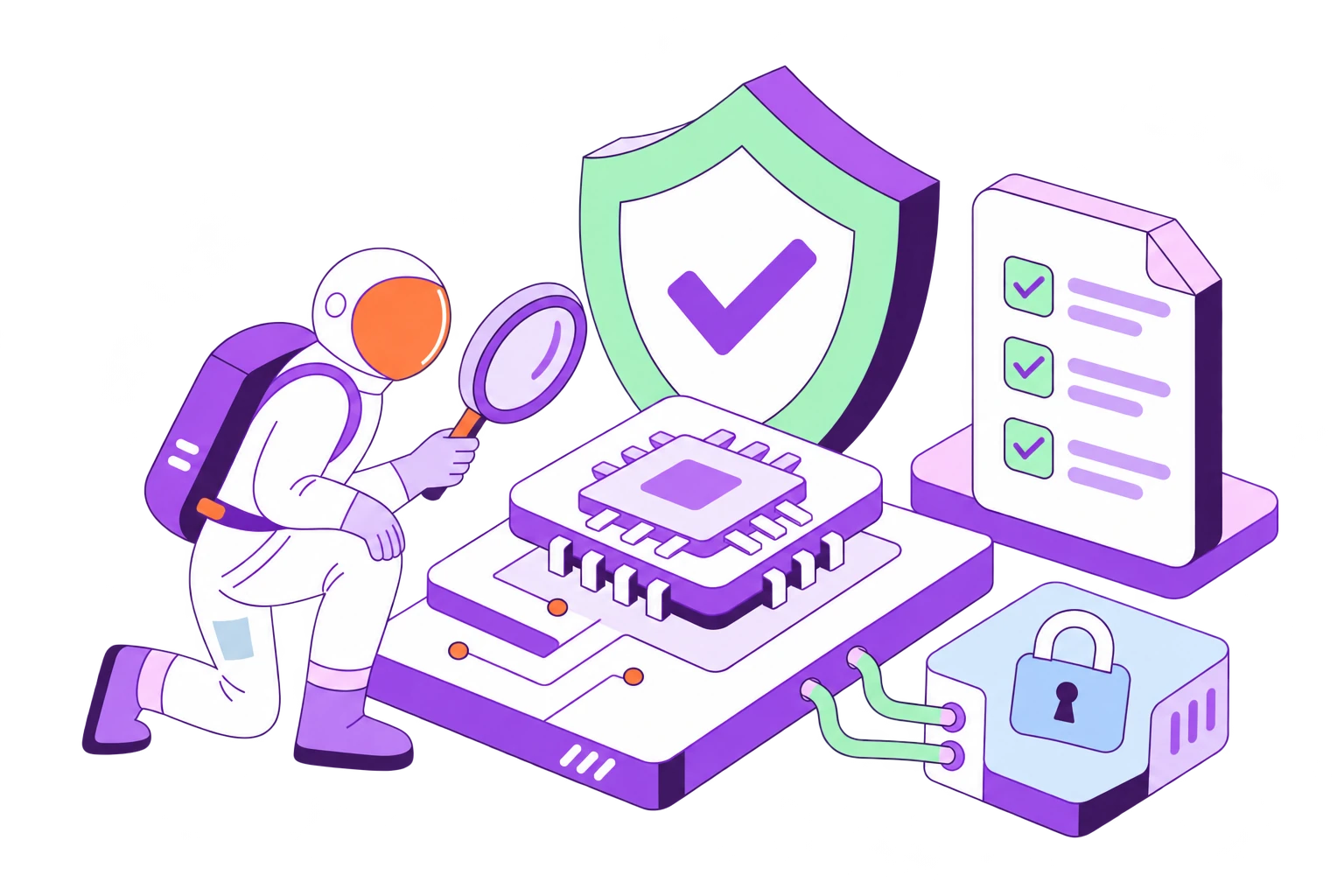
Assess data access, tool permissions, change controls, and operating responsibilities within the AI system.

AI Security & Governance

Understand how AI behaves after deployment

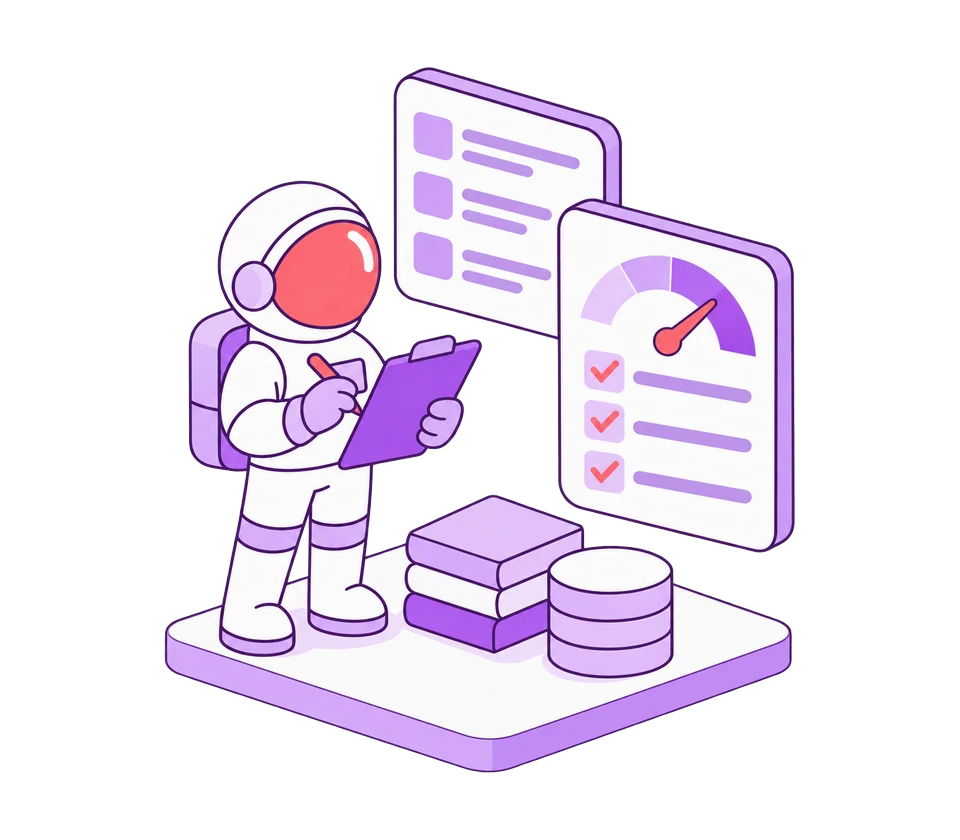
Establish a quality baseline

A deployed application needs a shared definition of what acceptable behavior looks like. We assemble evaluation examples around actual user tasks and review the available operating evidence. The resulting baseline helps teams assess changes to instructions, models, knowledge sources, and tool integrations against the outcomes the application is intended to support.
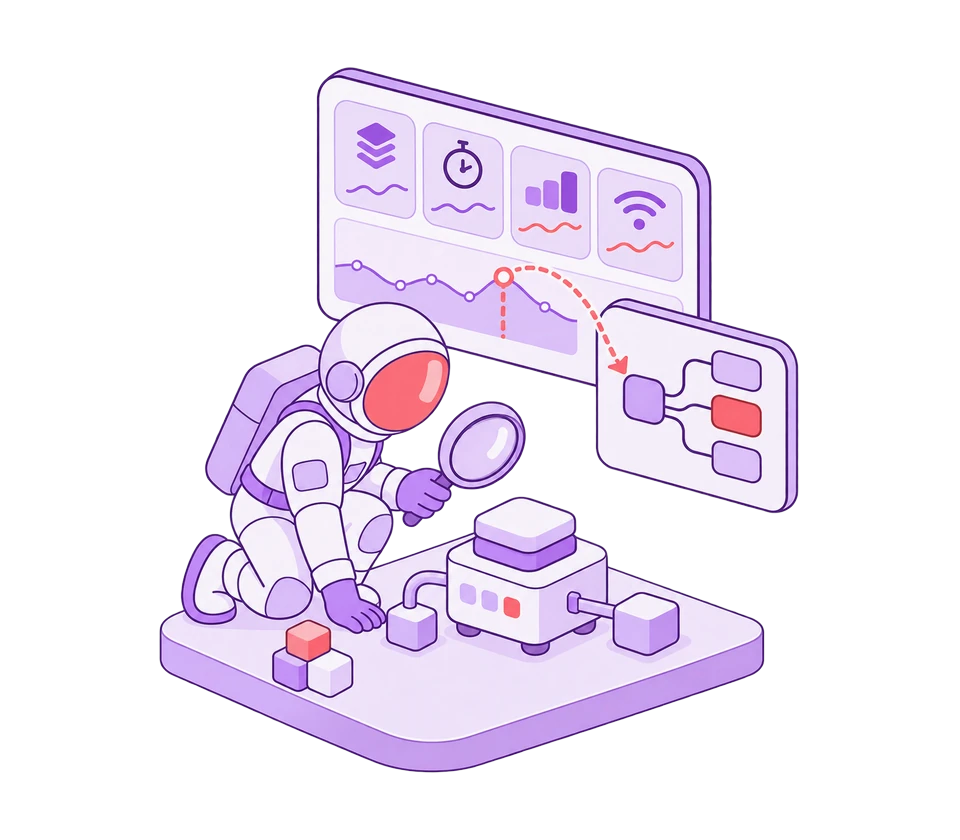
Make operating costs and failures visible

Usage, latency, errors, and tool failures can affect the usefulness and cost of an AI workflow. We define the measures that matter to the application and identify where they can be observed. Reporting and investigation paths help the responsible team connect changes in those measures to a system component or a user task.

Define oversight for business actions

When AI uses internal knowledge or connected tools, ownership and permissions need to be clear. We review the information and actions available to the application, establish review points, and test how controls behave. The work connects technical checks with the people responsible for approving changes and responding when something needs attention.

Make quality and control part of the operating model

Evaluation and release

Versioned examples and agreed quality measures support review of changes before they are introduced to the application’s users.

Observability

Application events, tool outcomes, quality signals, and usage information help the team identify where a workflow needs investigation.

Access and accountability

Permissions, approval points, and named responsibilities connect the system’s technical controls to the people accountable for its operation.

What you take forward

  • An assessment of the application’s evaluation, monitoring, access boundaries, operating responsibilities, and priority improvement areas.
  • A representative evaluation set with measures for the tasks, outputs, and actions supported by the application.
  • Monitoring and control implementations for the agreed scope, with defined investigation and escalation paths.
  • An operating framework for reviewing releases, incidents, evaluation findings, and changes in system usage or cost.

Our approach

From your first question to everyday use

Monitor deployed AI applications, control costs, and help organizations manage operational risks.

Review the system

Understand the workflow, deployment, data access, model behavior, and current operating practices.

The review follows the complete workflow and its deployment context. We identify existing controls and the gaps that make behavior difficult to evaluate, investigate, or improve.

Define evaluation and controls

Establish the examples, measures, responsibilities, and intervention points needed for the application.

Quality measures and operating responsibilities are defined together. The team agrees what evidence is needed to release a change and what should trigger intervention during use.

Instrument and test

Connect monitoring and test the controls against normal tasks, failures, and unwanted behavior.

Implementation connects the required signals and controls to the application. Evaluation includes targeted failure cases and checks whether the response provides a useful route for investigation or escalation.

Operate and improve

Review quality, incidents, changes, and costs through an ongoing operating cadence.

The operating cadence brings evaluation results, incident findings, and planned changes into a shared review. Decisions are recorded so future updates can be assessed against the application’s history.

Review the foundations behind your AI application

Engagement models that fit your next step

AI system review

Assess a planned or deployed application and identify the evaluation, monitoring, and control work it needs. The review produces prioritized findings connected to the system’s intended use and operating context.

Operational foundations delivery

Implement the agreed evaluation workflow, monitoring, and controls. The scope includes representative test cases, release practices, responsibilities, and the information operators need when an issue requires attention.

Ongoing governance and optimization

Review application quality, usage, costs, incidents, and proposed changes through an agreed cadence. Findings guide improvements to the technical controls and the way teams evaluate and operate the system.

Like a team of threat analysts

It's like having a team of threat analysts just constantly searching 24 hours a day for 100,000 different things all at the same time.

Joseph, founder of Savve
Joseph - Founder
Savve

Got questions?

We've got answers.

An engagement can begin with a review of the existing application, its operating data, evaluation examples, and current deployment process.

Monitoring should reflect the workflow. Measures can include task completion, output quality, retrieval behavior, tool failures, response time, usage, and cost.

Use representative tasks and targeted failure cases to assess whether controls behave as intended, then review results as the application and its usage change.

Yes. Evaluation examples, monitoring requirements, access boundaries, and operating responsibilities can be defined during delivery and tested before the first release.

The engagement can define responsibilities, review points, and escalation paths alongside technical controls. Effective operation depends on teams understanding when and how to act on the information available.

Rocket

Ready to turn
your vision into
reality?

The journey starts here. We're excited
to meet you.