


We use cookies to give you a better browsing experience. Know how we use your data.

AI Strategy

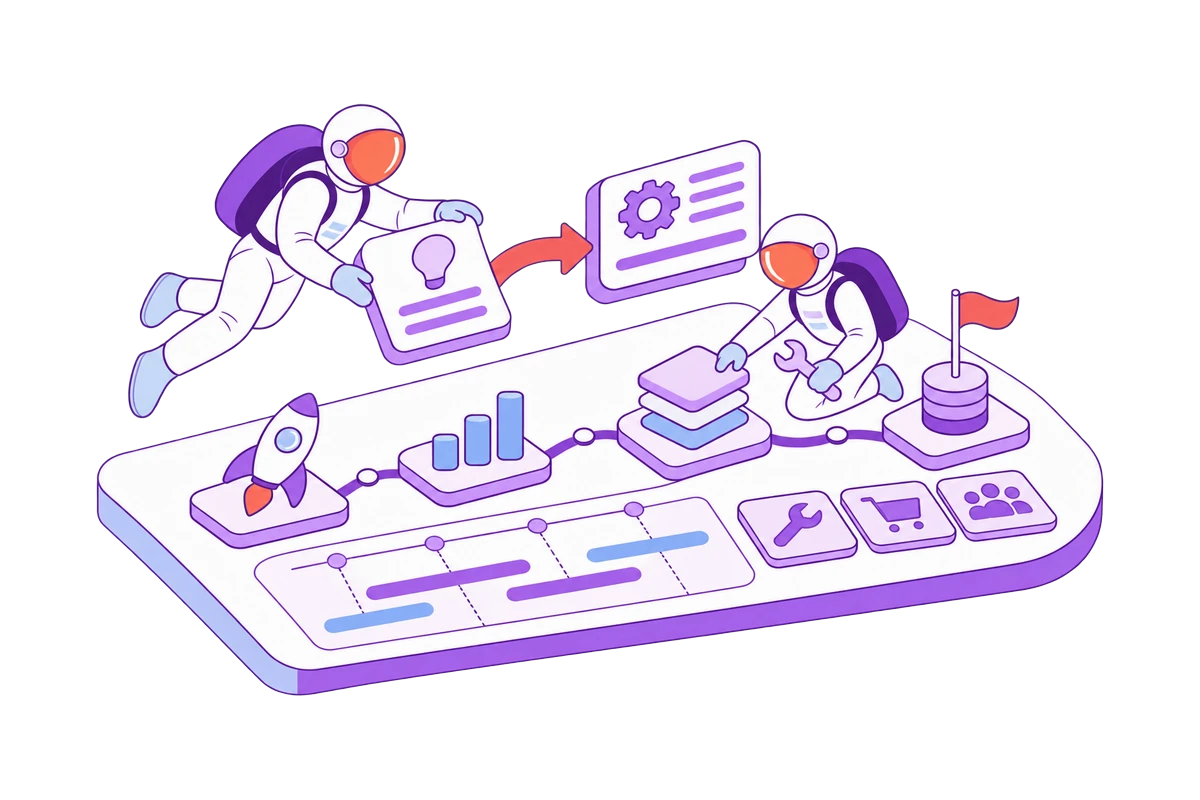
Give your AI ambitions a practical direction

Understand where AI can create value, what your organization needs to get started, and how to move from an opportunity to a delivery plan.

AI Strategy & Transformation

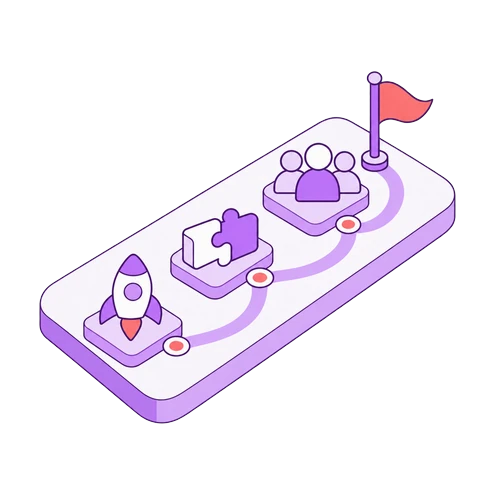
Help companies identify practical AI opportunities, evaluate readiness, and build an implementation roadmap.

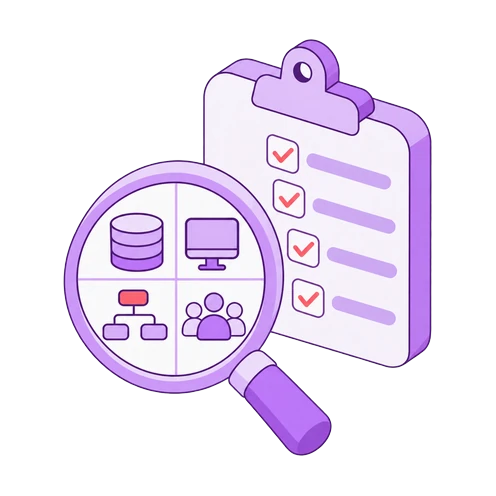
Review your data, systems, workflows, and team capabilities to identify the foundations needed for an AI initiative.

AI Readiness Assessment

Map business activities and customer journeys to find opportunities worth investigating, with an owner and a measurable outcome for each.

AI Opportunity Audit

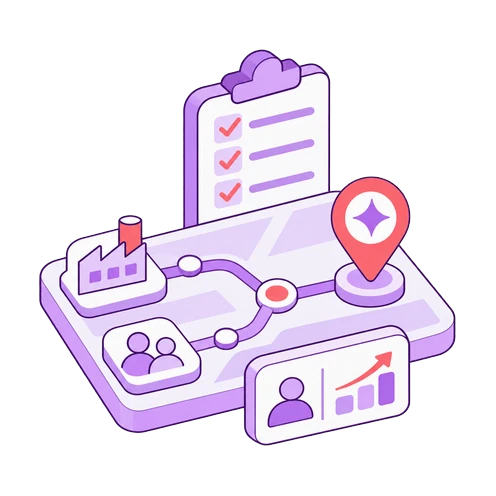
Sequence pilots, integration work, and operating responsibilities into a roadmap your product and engineering teams can execute.

AI Strategy & Roadmap

Test technical feasibility and estimate delivery effort, operating costs, and potential business value before committing to a larger build.

AI Feasibility & ROI Analysis

Plan how AI fits across departments, shared platforms, and existing processes, with ownership for implementation and adoption.

Enterprise AI Transformation

Prepare teams for new ways of working through stakeholder alignment, practical training needs, and a staged rollout plan.

AI Adoption Consulting

Find the AI opportunities worth pursuing

Shape your first AI initiative

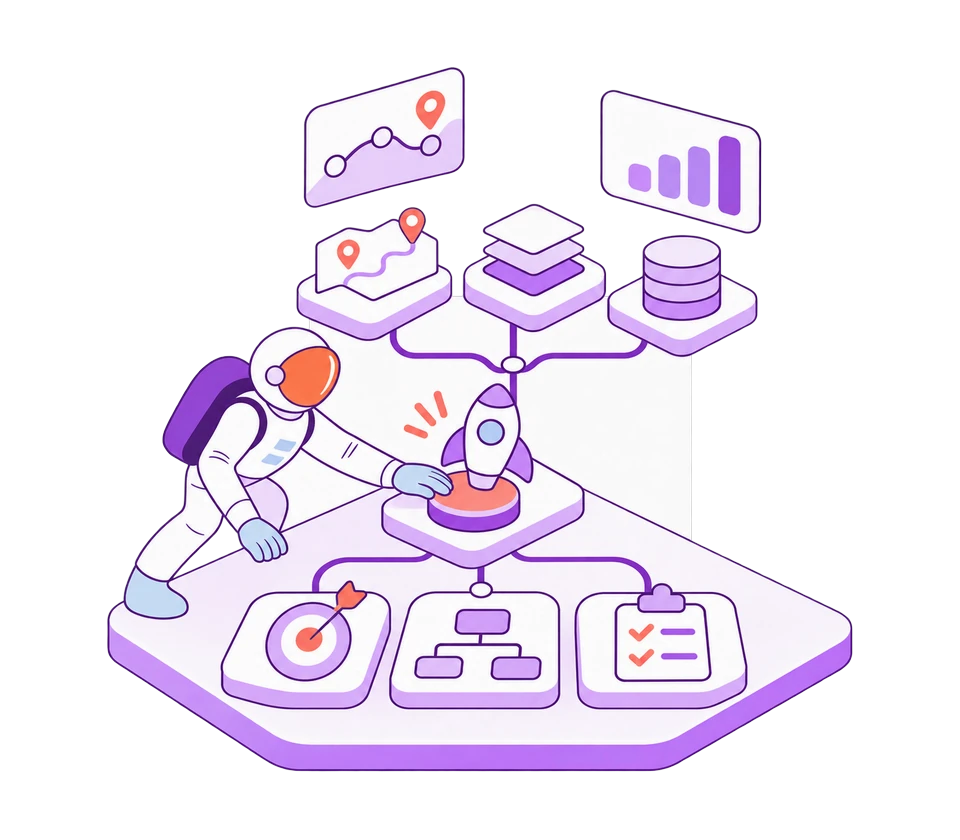
For a team exploring AI, the first decision is where to begin. We work through the customer journey, internal workload, and available information to identify a pilot that can be evaluated. The result is a defined business problem, a proposed approach, and the evidence needed to decide whether to invest further.
Align several teams around one roadmap

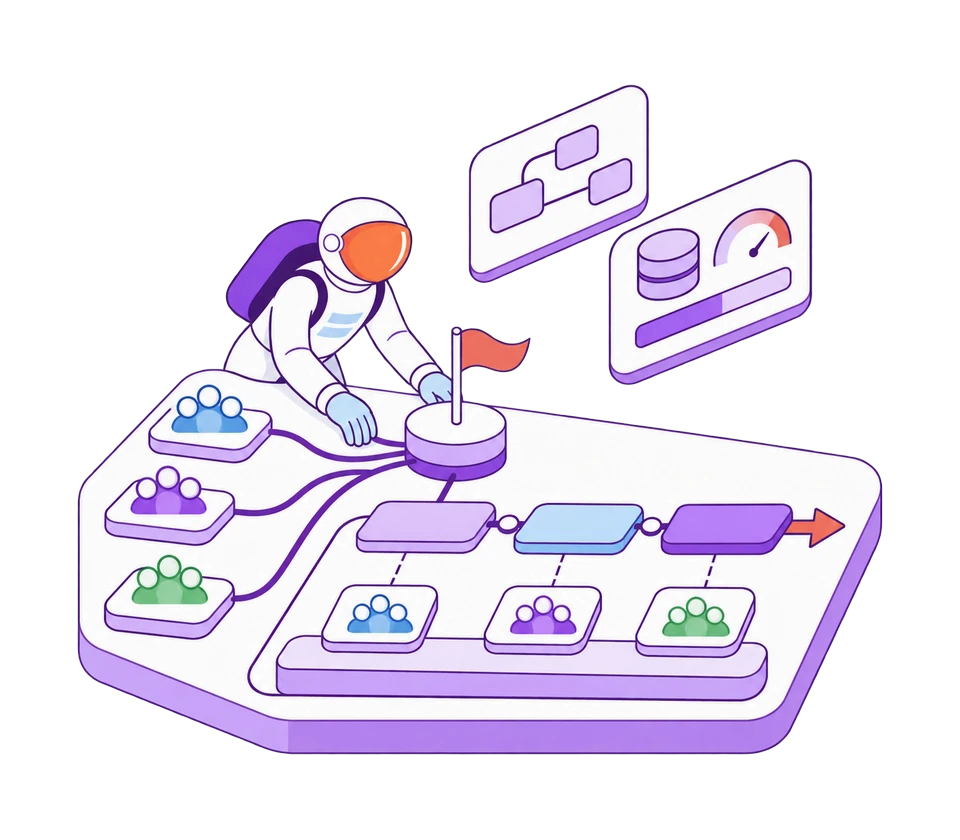
Different departments often arrive with different ideas, tools, and priorities. We bring those requests into a shared view of dependencies, data access, and delivery capacity. A sequenced roadmap helps teams understand what can be delivered together, which foundations are shared, and who will own each initiative after launch.

Reassess an AI investment

An existing experiment can generate promising outputs while leaving questions about adoption, integration, or operating costs. We review the work against its original purpose, examine the remaining delivery gaps, and identify the next decision. That can lead to a focused iteration, a revised scope, or a clearer implementation plan.

A strategy grounded in your organization

Business context

Workshops and stakeholder interviews establish how the process works today, where it breaks down, and what a better outcome would look like.

Technical foundations

Data sources, enterprise systems, access requirements, and available engineering capacity shape which opportunities are practical and how delivery should begin.

Adoption and ownership

The plan identifies who will use the solution, who will maintain it, and how feedback and operating decisions will be handled.

What you take forward

  • A readiness assessment covering data, systems, people, and the dependencies that affect the proposed use cases.
  • A prioritized opportunity map with business owners, expected outcomes, and assumptions that need validation.
  • A delivery roadmap connecting the first pilot to later integration, rollout, and operating requirements.
  • A pilot brief describing scope, success measures, responsibilities, and the evidence required for the next decision.

Our approach

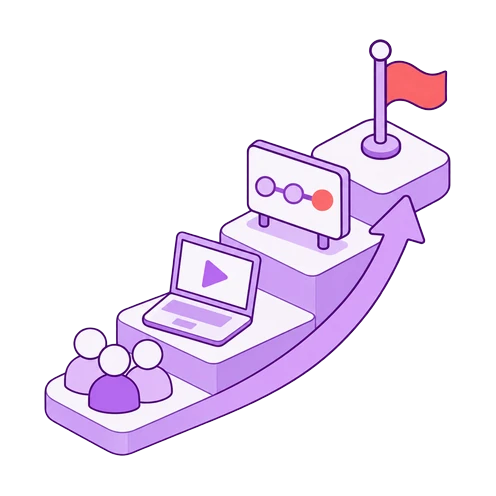
From your first question to everyday use

Help companies identify practical AI opportunities, evaluate readiness, and build an implementation roadmap.

Understand the business

Work with stakeholders to define the problem, current process, and outcome the initiative should improve.

We bring product, operational, and technical perspectives into the same discussion. Current workflows and stakeholder interviews help establish a shared definition of value before choosing a technology.

Assess the foundations

Review available data, systems, constraints, and operational ownership.

The assessment documents missing information and dependencies that could change feasibility or effort. These findings become explicit inputs to prioritization, so the roadmap reflects the organization’s actual starting point.

Prioritize opportunities

Compare candidate use cases by feasibility, expected value, and delivery dependencies.

Each opportunity is considered alongside a practical baseline and a proposed way to measure progress. This gives stakeholders a common basis for deciding what deserves a pilot.

Build the roadmap

Define the first pilot, success measures, delivery stages, and next investment decisions.

The handover connects recommendations to actionable work. Teams receive a staged plan and decision points that can guide implementation, procurement, and internal alignment.

Find a practical starting point for AI in your business

Engagement models that fit your next step

Strategy assessment

A focused engagement to understand readiness, map opportunities, and agree the questions that need to be answered before implementation. Suitable when stakeholders need a shared starting point and a practical set of priorities.

Pilot definition

A collaborative engagement to turn a selected opportunity into a buildable scope. We work through the user journey, technical dependencies, evaluation approach, and handover to the people responsible for delivery.

Transformation partnership

Ongoing support as several initiatives move through discovery, implementation, and adoption. The roadmap is reviewed against new evidence, changing priorities, and the operating experience of teams using the solutions.

Solutions we would not have thought of

Simublade took our problems and converted them into solutions that we wouldn’t have thought of.

Senior Manager - Parrotforce
Parrotforce

Got questions?

We've got answers.

A business problem and access to the people who understand it are a useful starting point. We can then assess the available data, systems, and constraints together.

The roadmap can cover prioritized use cases, pilot scope, technical dependencies, delivery stages, operating responsibilities, and the measures used to assess progress.

The roadmap can lead into a proof of concept, product engineering, automation, or integration engagement depending on the selected use case.

We start with the current process, its cost or effort, and the outcome stakeholders want to improve. Estimates record their assumptions and uncertainty, then the pilot gathers evidence to refine them.

Business owners, people doing the work, and the teams responsible for systems and data all contribute. Their involvement helps the roadmap account for implementation and adoption together.

Rocket

Ready to turn
your vision into
reality?

The journey starts here. We're excited
to meet you.