





We use cookies to give you a better browsing experience. Know how we use your data.

Data & Analytics

Turn business data into decisions you can act on

Build data pipelines, analytical models, and machine learning capabilities around the predictions and insights your teams need.

Data Science, Machine Learning & Analytics

Turn business data into predictions, intelligent decisions, and operational insights.

Develop models for a defined task, with suitable training data, evaluation measures, and an approach to deployment.

Machine Learning Development

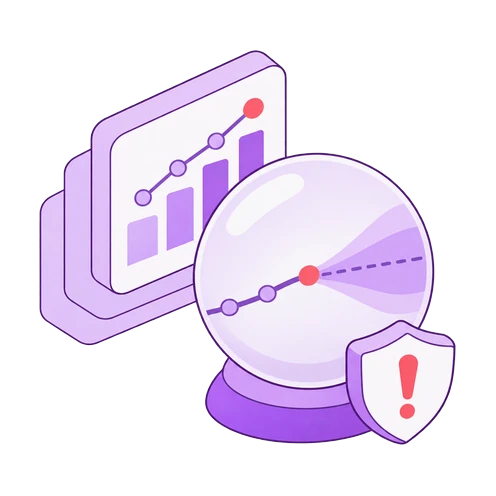
Use historical information to estimate outcomes and support decisions, while assessing uncertainty and data limitations.

Predictive Analytics

Work with language data for tasks such as classification, extraction, search, and document understanding.

NLP Solutions

Build image and video analysis workflows for a scoped recognition, inspection, or understanding task.

Computer Vision

Design ranking and recommendation capabilities using the information available about users, items, and interactions.

Recommendation Engines

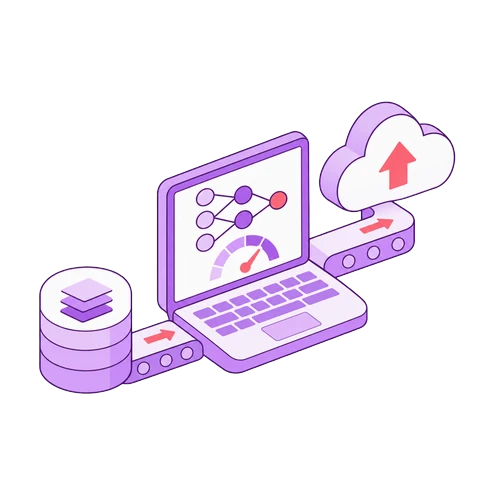
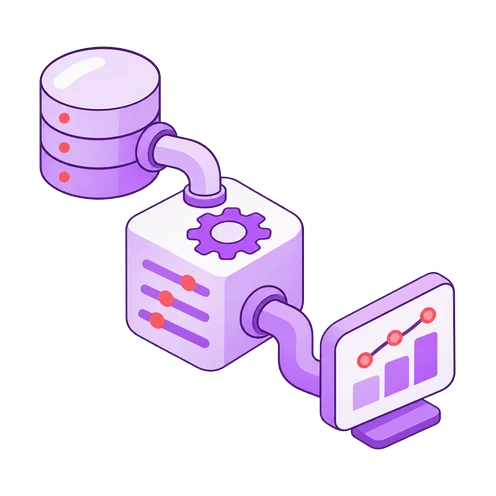
Prepare reliable pipelines that collect, transform, and deliver data for analytical and AI applications.

Data Engineering

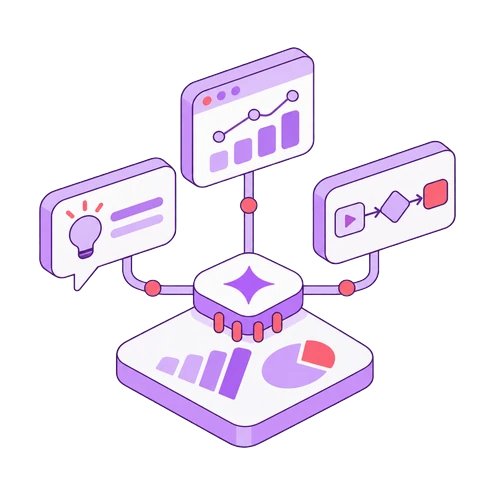
Connect analytical results to dashboards, explanations, and workflows that help teams investigate business questions.

AI-Powered Business Intelligence

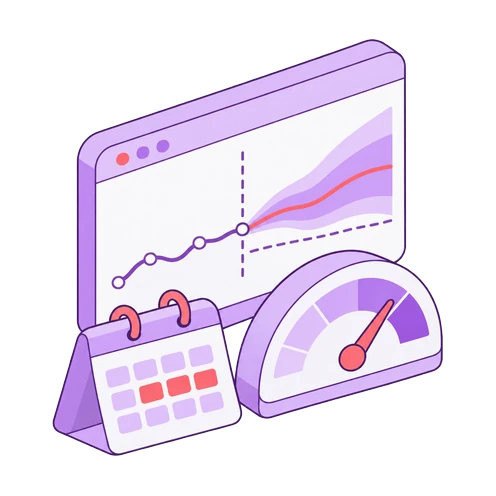
Create and assess forecasts against relevant baselines, with attention to time horizons, changing conditions, and uncertainty.

Forecasting Models

Connect analytical work to a business decision

Understand what may happen next

Demand, workload, and customer behavior can create planning questions that historical averages alone do not answer. A predictive or forecasting engagement starts with the decision and the time horizon, then examines the available data. Results are assessed against a relevant baseline and delivered in a form the responsible team can use.


Make unstructured information usable

Documents, messages, images, and video can contain information that is difficult to use in an established process. We define the recognition, extraction, or classification task and assess the examples available for it. The workflow connects model outputs to the validation and review steps required before the information supports an operational decision.

Improve how people discover relevant options

Recommendation and ranking systems help users navigate products, content, or actions. Their design depends on the information available about items, interactions, and the intended outcome. We work through the data pipeline, evaluation approach, and application integration so that a ranking result contributes to the wider experience and can be assessed over time.

Reliable data before useful predictions

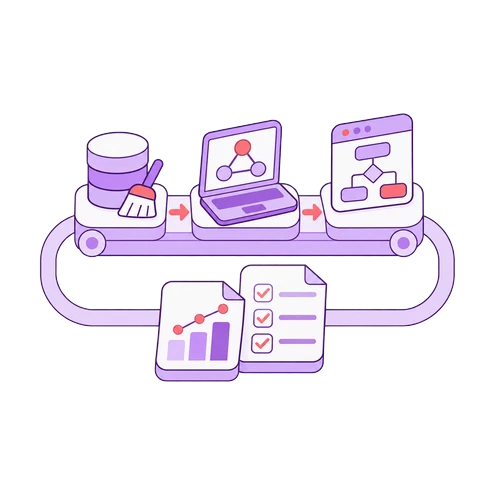
Data pipelines

Collection, transformation, labeling where needed, and validation establish the inputs used for analytical development and application delivery.

Models and evaluation

Task-specific measures, appropriate validation data, and relevant baselines help determine whether an approach supports the intended decision.

Delivery and monitoring

APIs, scheduled outputs, or analytical interfaces connect results to users, with measures that reveal changes in inputs and performance over time.

What you take forward

  • A data assessment documenting source coverage, quality concerns, access requirements, and preparation needed for the chosen task.
  • A reproducible modeling or analytical workflow with the transformations and evaluation approach required for the agreed scope.
  • Validation results that compare the proposed approach with a relevant baseline and explain material limitations.
  • An integration and monitoring plan describing how outputs reach users and how model performance will be reviewed.

Our approach

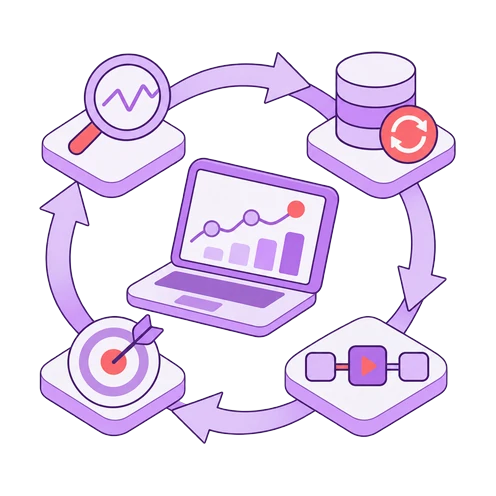
From your first question to everyday use

Turn business data into predictions, intelligent decisions, and operational insights.

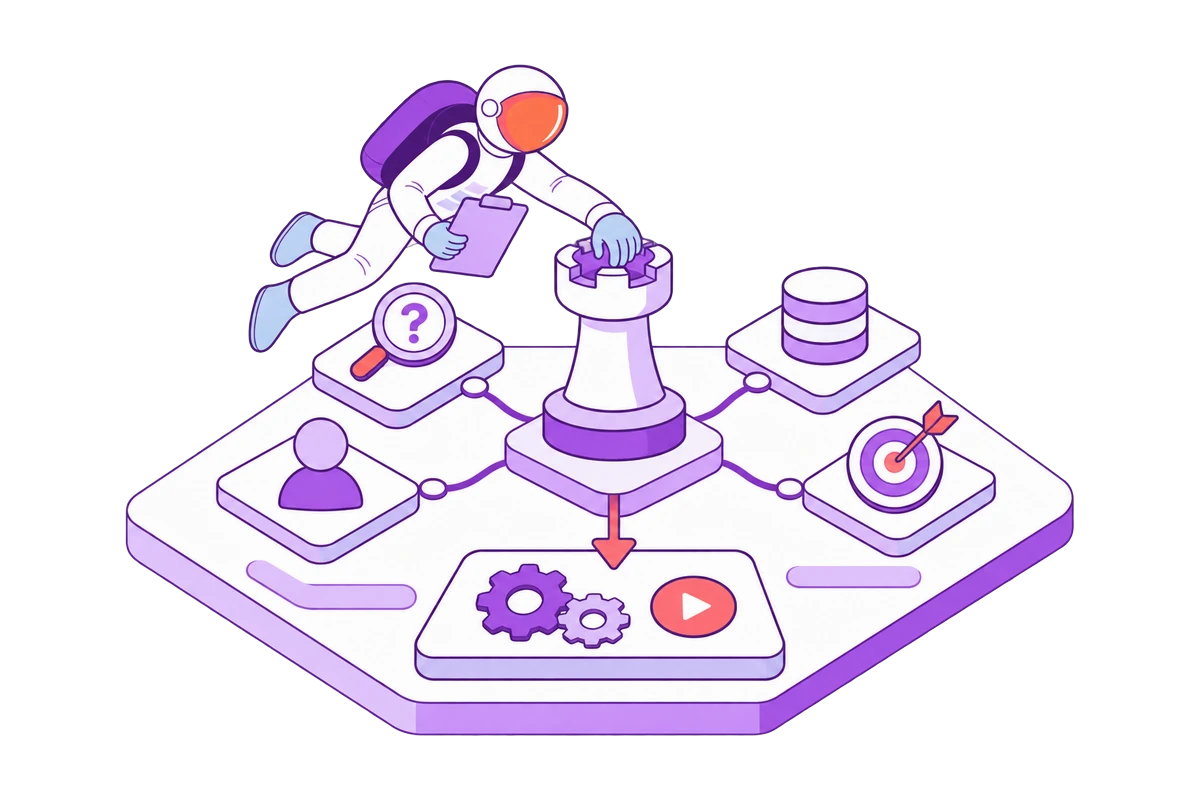
Define the decision

Identify the question, intended user, available data, and business outcome.

We define the action someone will take using the result and the information available at that moment. That keeps the analytical question connected to a practical use of the output.

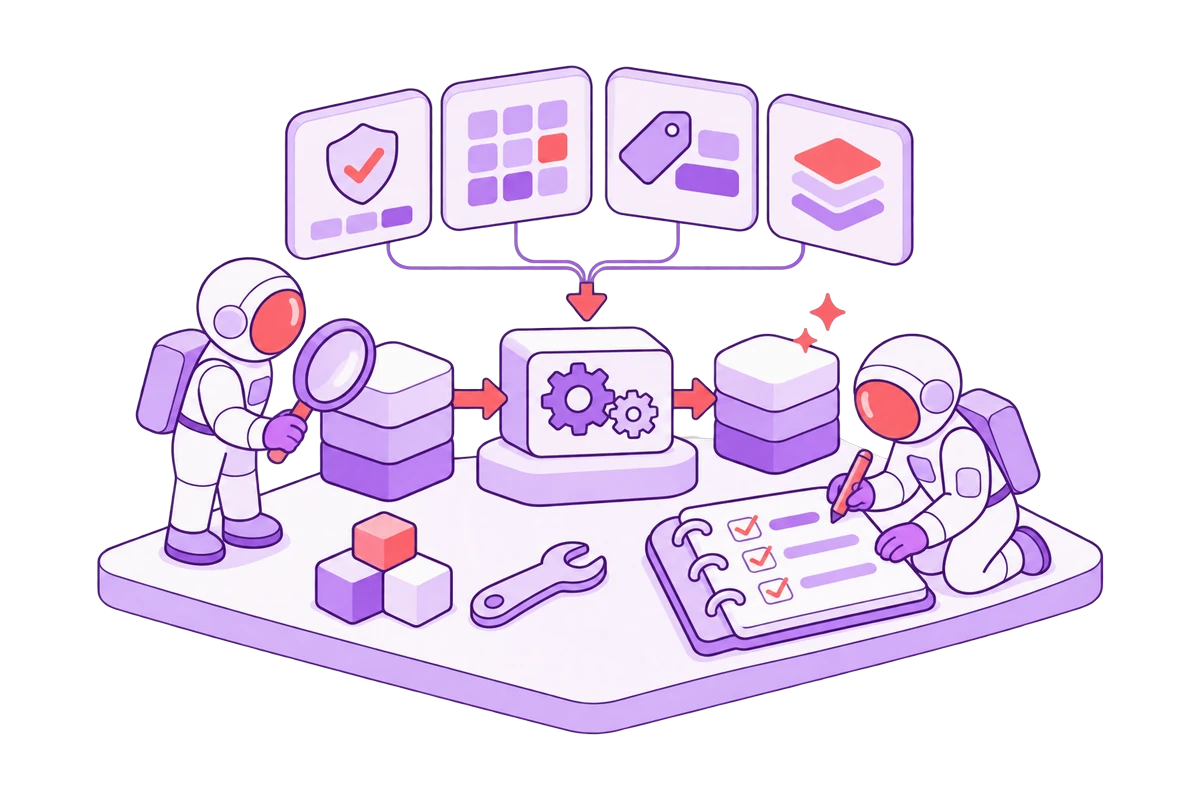
Prepare the data

Assess quality, coverage, labels, and pipelines before choosing the modeling approach.

Data review examines quality, coverage, and the way examples were collected. The preparation approach records transformations and assumptions so the work can be evaluated and repeated.

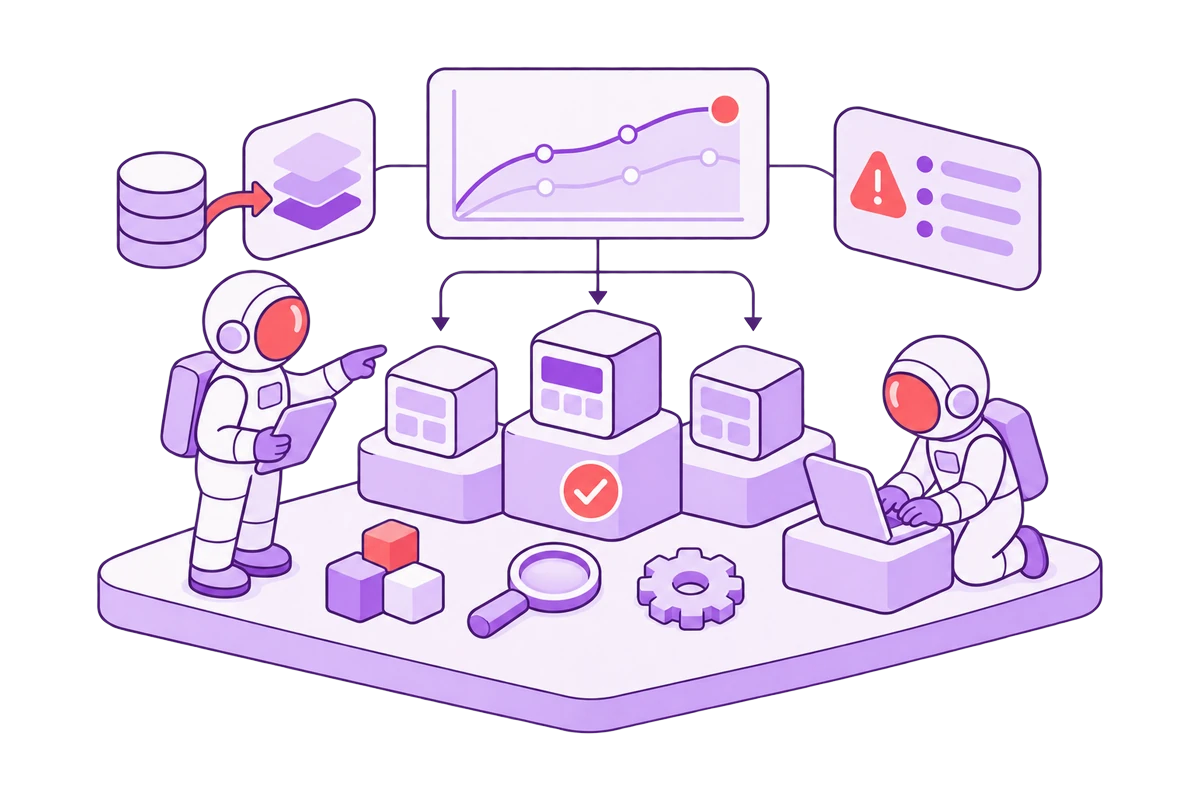
Build and validate

Compare models with suitable baselines and evaluate performance on representative data.

Validation reflects how the model will encounter new data. Results are compared with a suitable baseline and interpreted alongside the limitations that could affect the business decision.

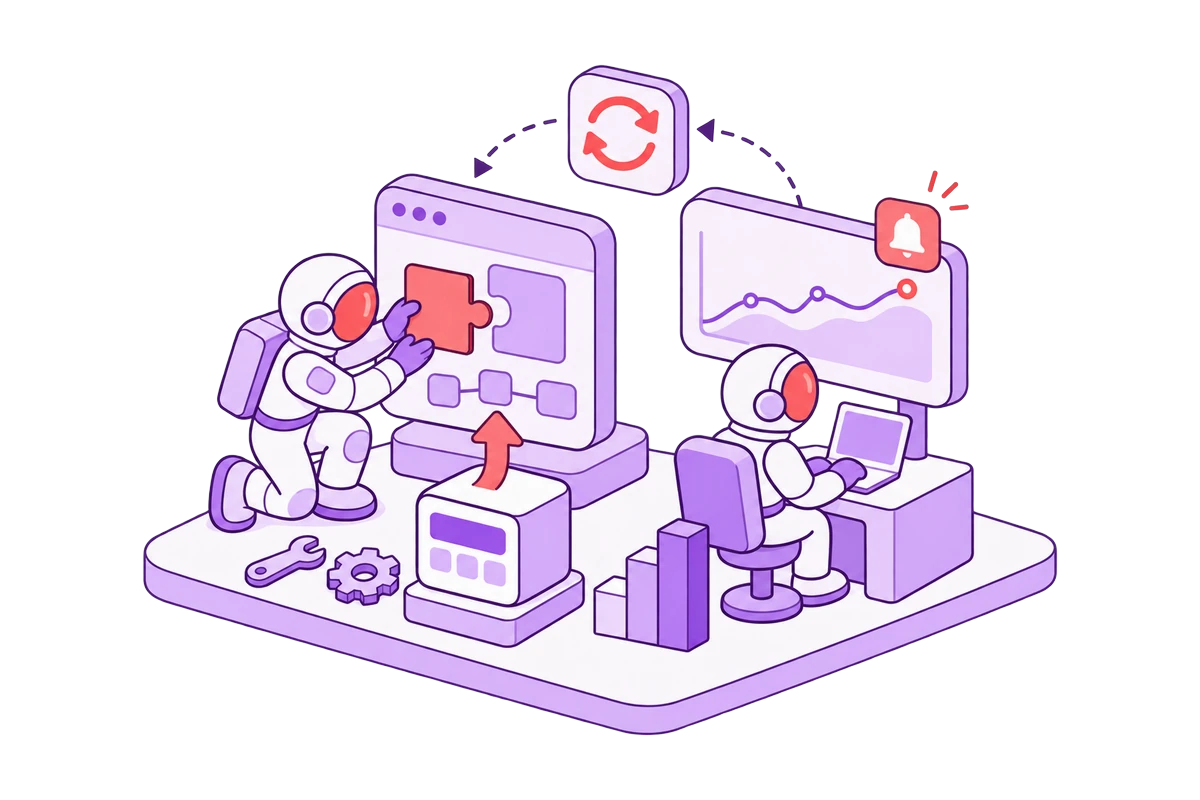
Integrate and monitor

Deliver results into the relevant application or workflow and track performance over time.

The delivery approach fits the team’s workflow and required response time. Monitoring identifies when data conditions or performance change enough to justify investigation and a model update.

Start with the decision your data needs to support

Engagement models that fit your next step

Data and feasibility assessment

Review the decision, available sources, and modeling opportunity. This engagement establishes what can be evaluated and identifies data preparation or collection work needed before development can progress.

Model development and integration

Prepare the data, develop the analytical approach, and connect the output to the agreed application or business workflow. Delivery includes evaluation results and documentation of important assumptions.

Ongoing model improvement

Review model performance and input conditions over time. Work can include investigating quality changes, refreshing evaluation data, improving pipelines, and assessing whether model updates support the intended business outcome.

Solutions we would not have thought of

Simublade took our problems and converted them into solutions that we wouldn’t have thought of.

Senior Manager - Parrotforce
Parrotforce

Got questions?

We've got answers.

Data assessment and engineering can be part of the engagement. The first stage should establish whether coverage, quality, and access support the intended use case.

Define an evaluation measure that reflects the business task and compare the model with a relevant baseline. Validation also needs to account for how data will arrive in practice.

The delivery approach can include APIs, scheduled outputs, dashboards, or integration with the application workflow, depending on latency and operational requirements.

The assessment considers what can be learned from available data and what additional preparation or collection may be needed. The approach and scope depend on the task and the evidence available.

The presentation should communicate the output, relevant context, and material uncertainty. The level of explanation is designed around the decision the user needs to make.

Rocket

Ready to turn
your vision into
reality?

The journey starts here. We're excited
to meet you.